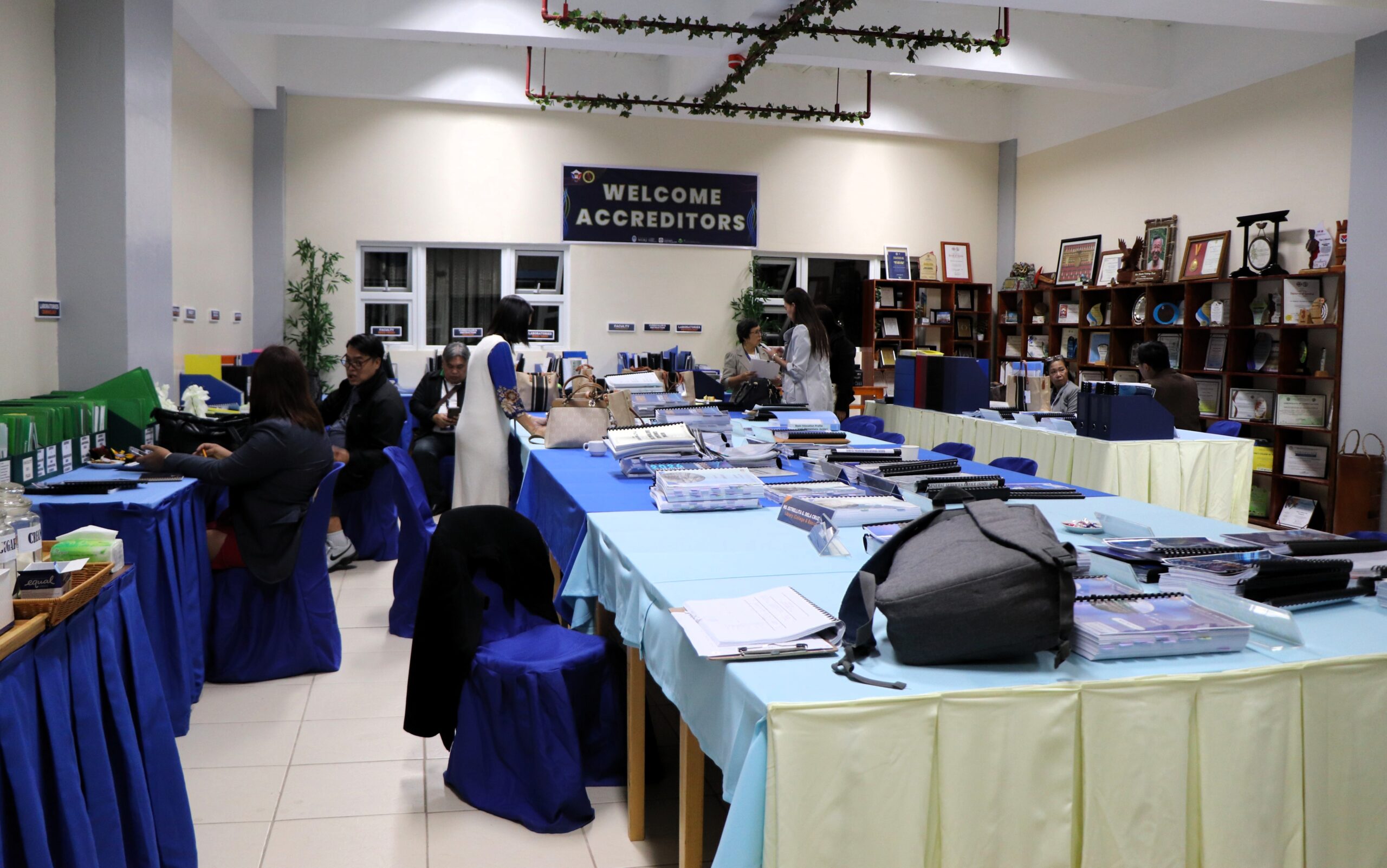
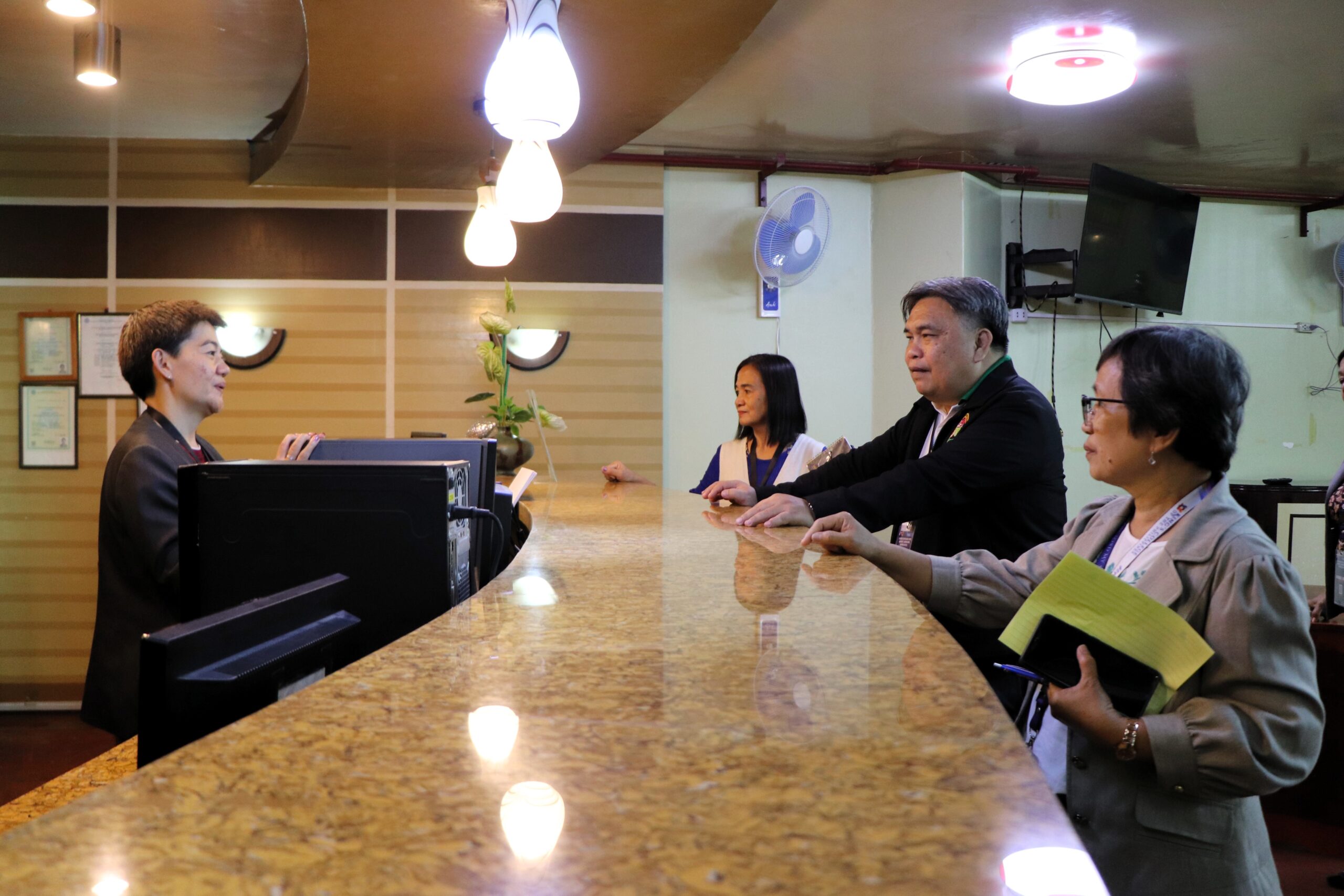
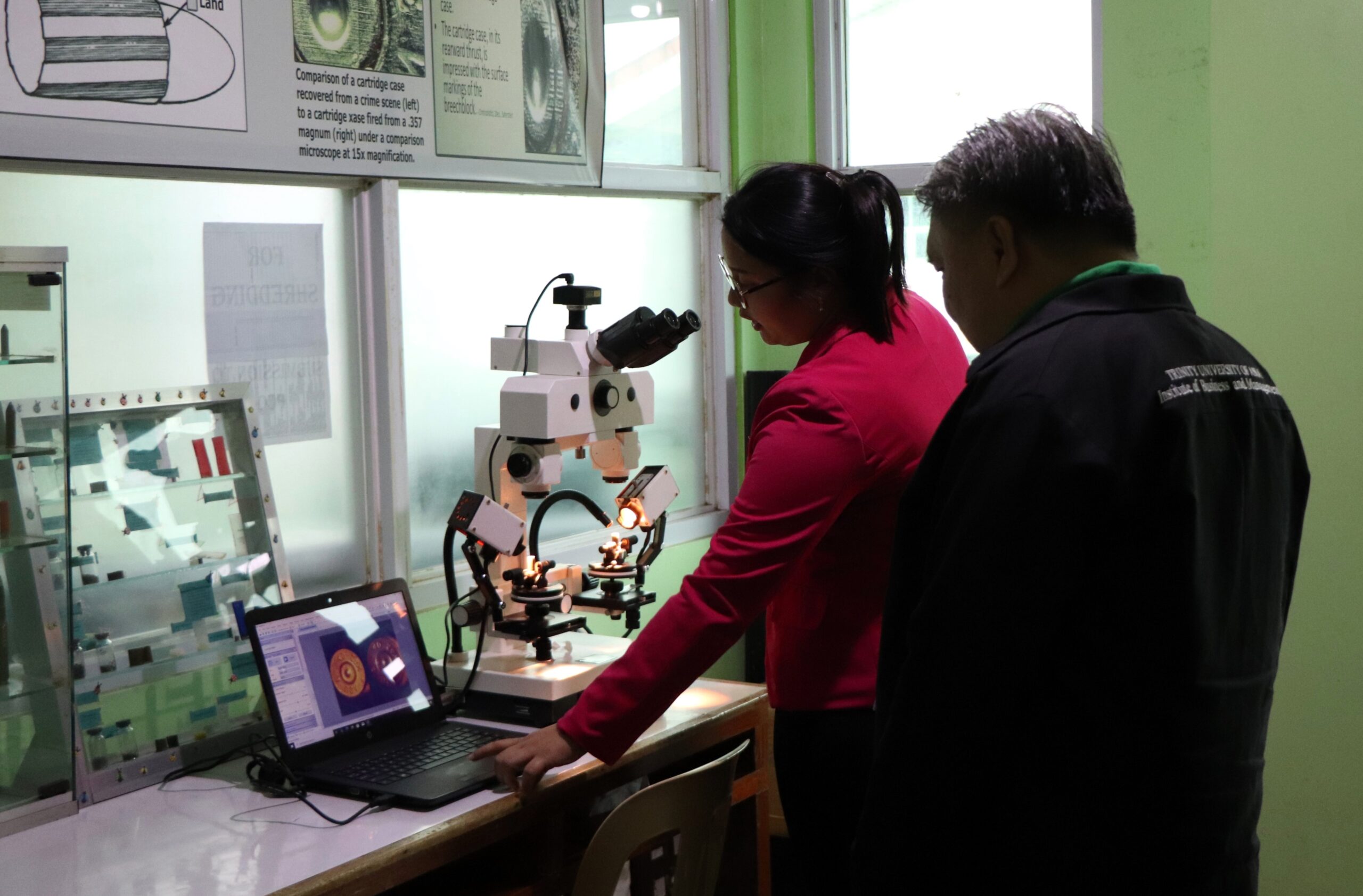
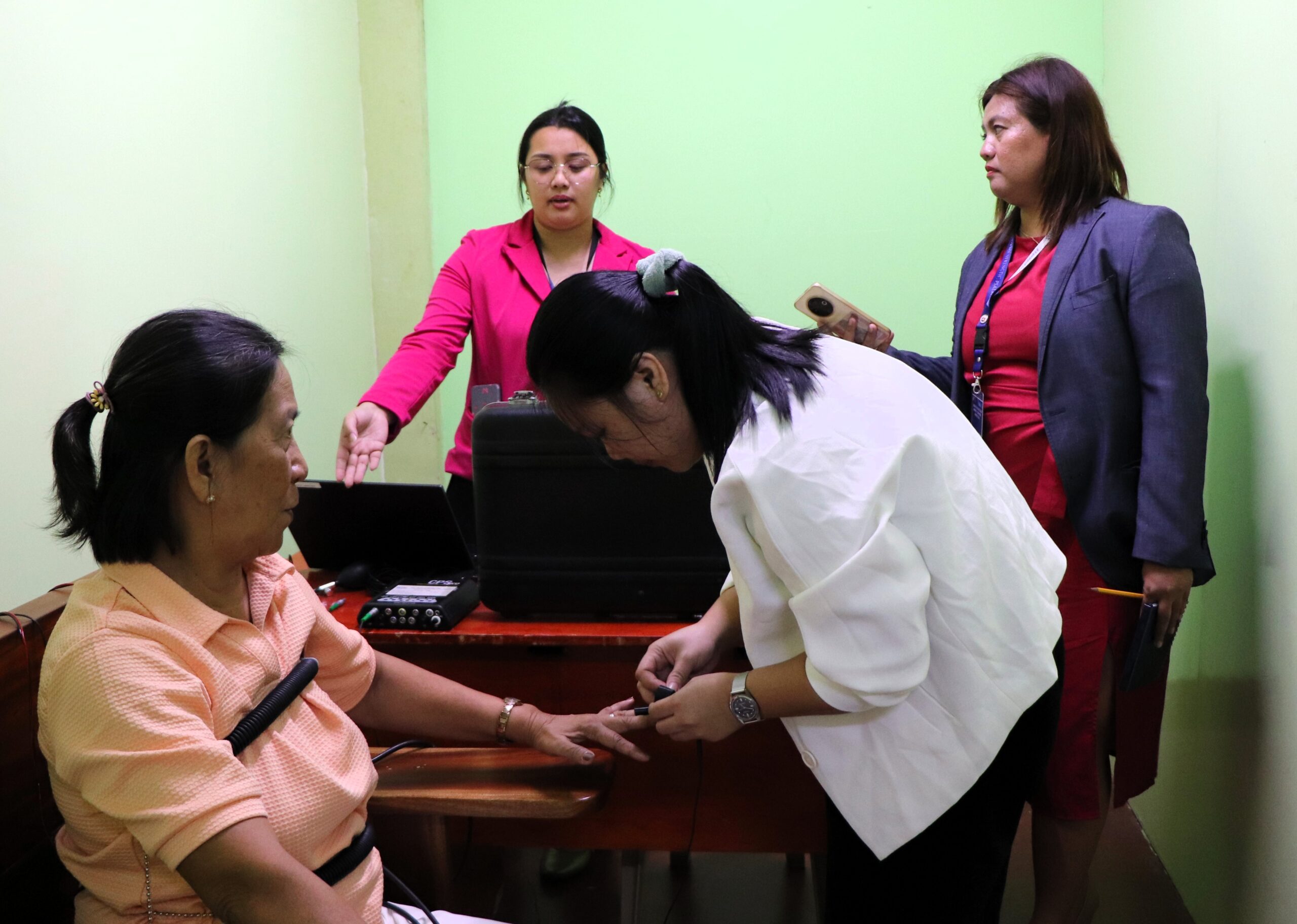
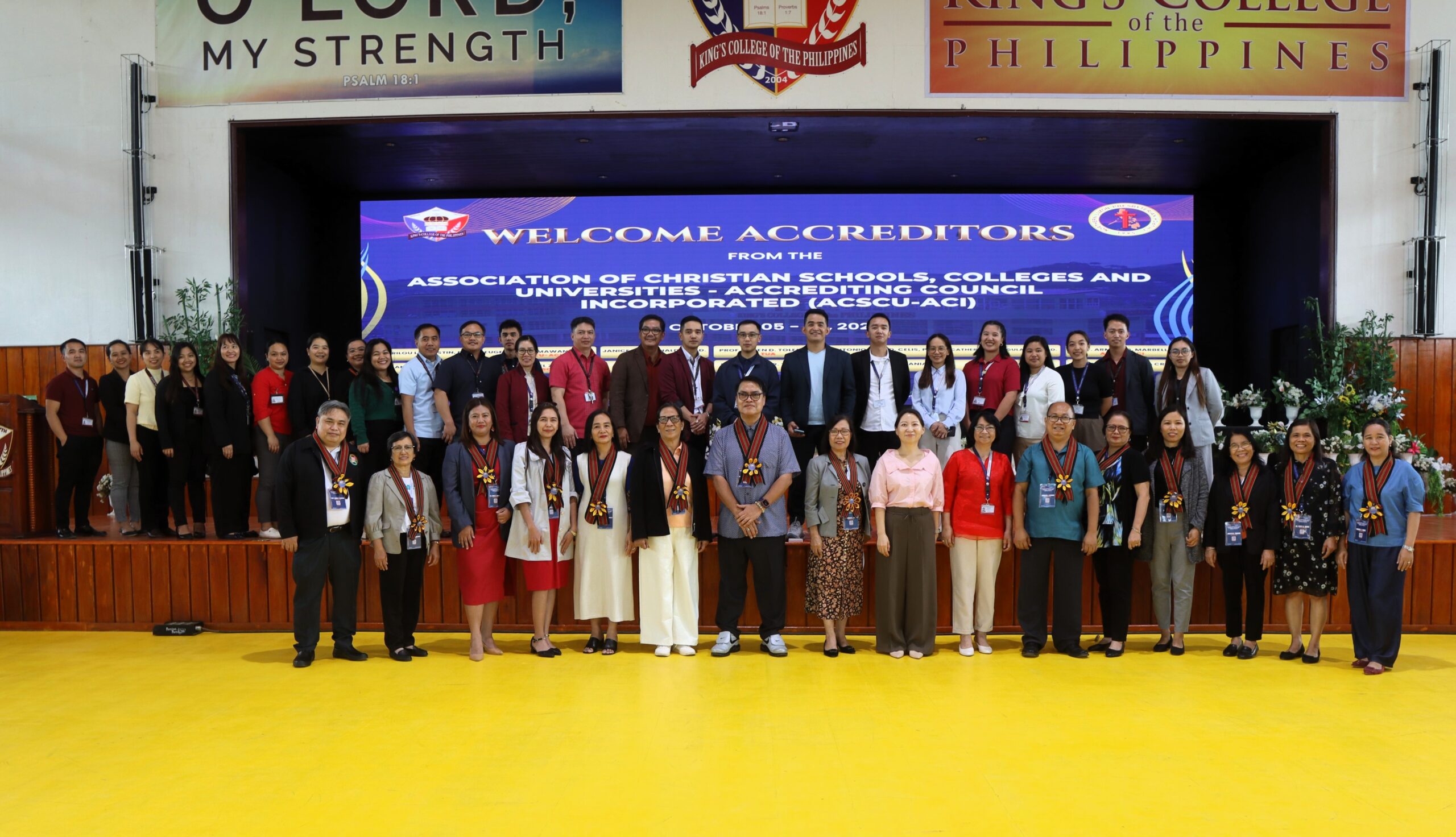
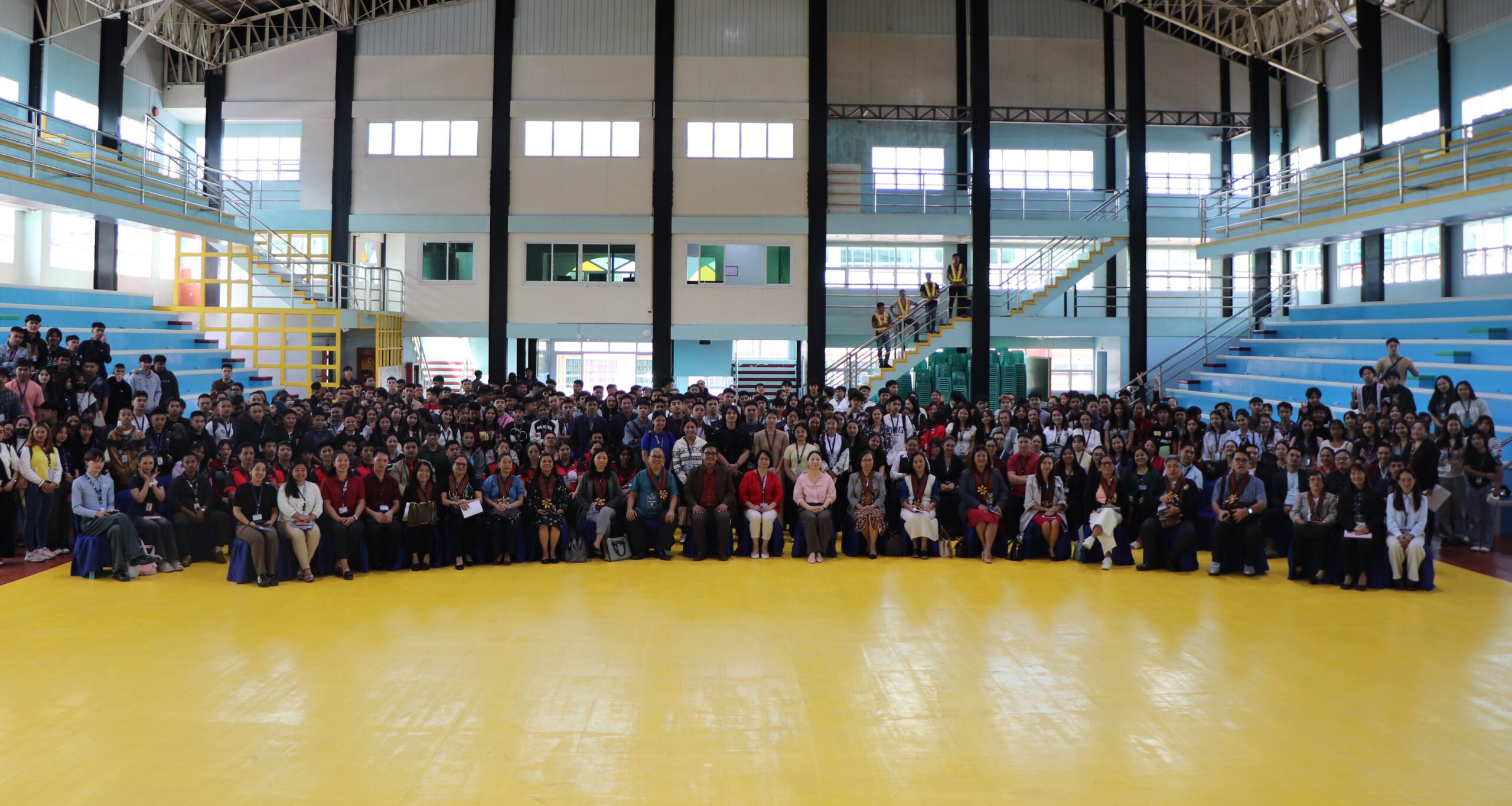
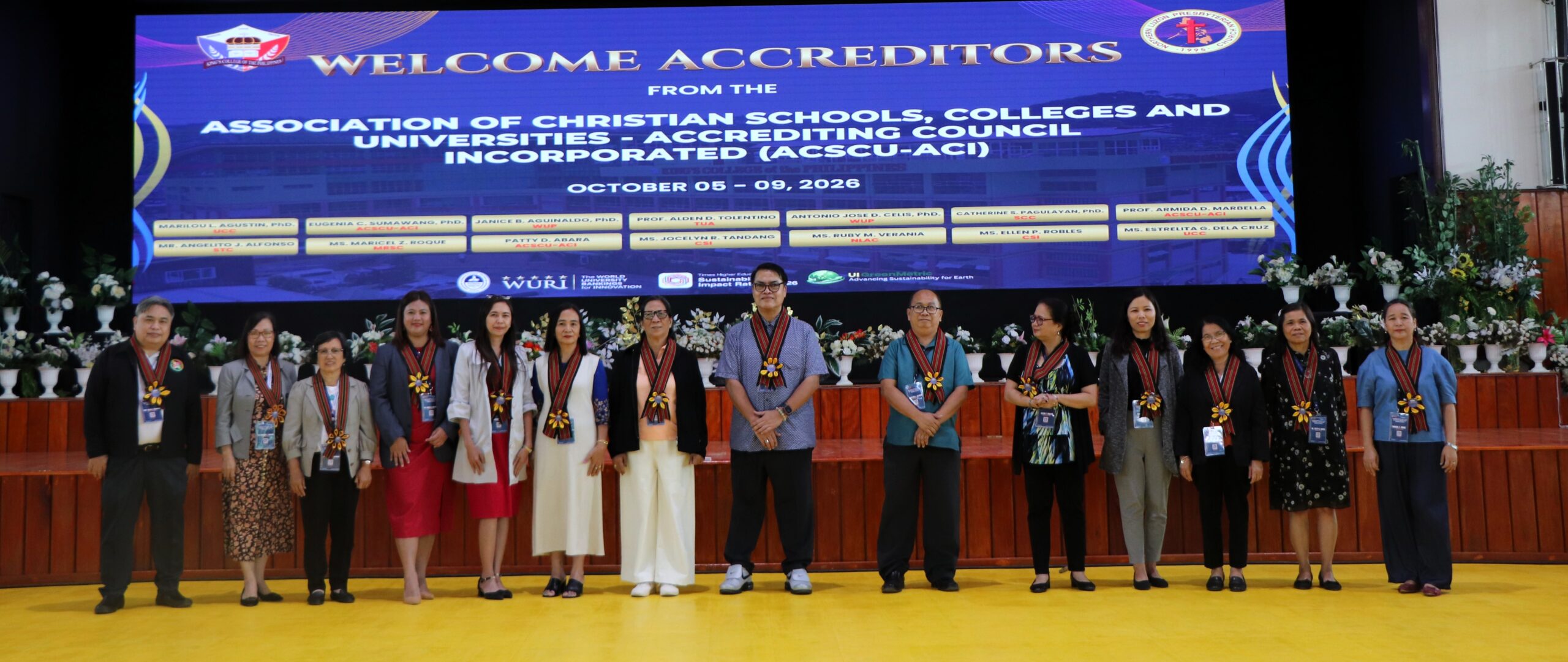
King’s College of the Philippines (KCP) has successfully completed the third day of its comprehensive accreditation evaluation conducted by the Association of Christian Schools, Colleges and Universities Accrediting Council, Inc. (ACSCU-ACI). The five-day institutional evaluation, spanning October 5 to October 9, 2026, aims to rigorously examine KCP’s academic programs, institutional governance, student services, and facility operations across both its Basic Education and Higher Education divisions.
Day 1: Welcome Formalities and Initial Survey
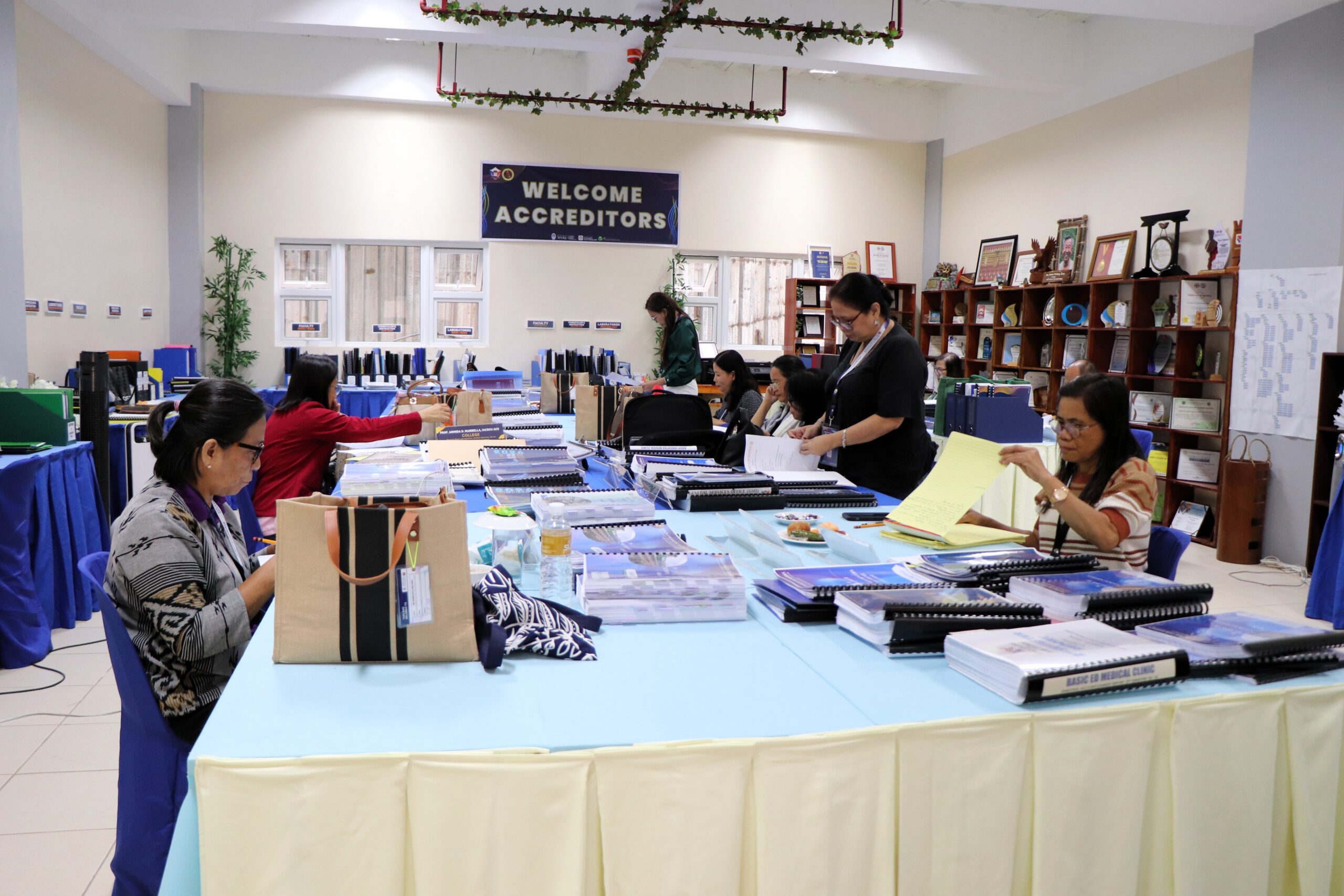
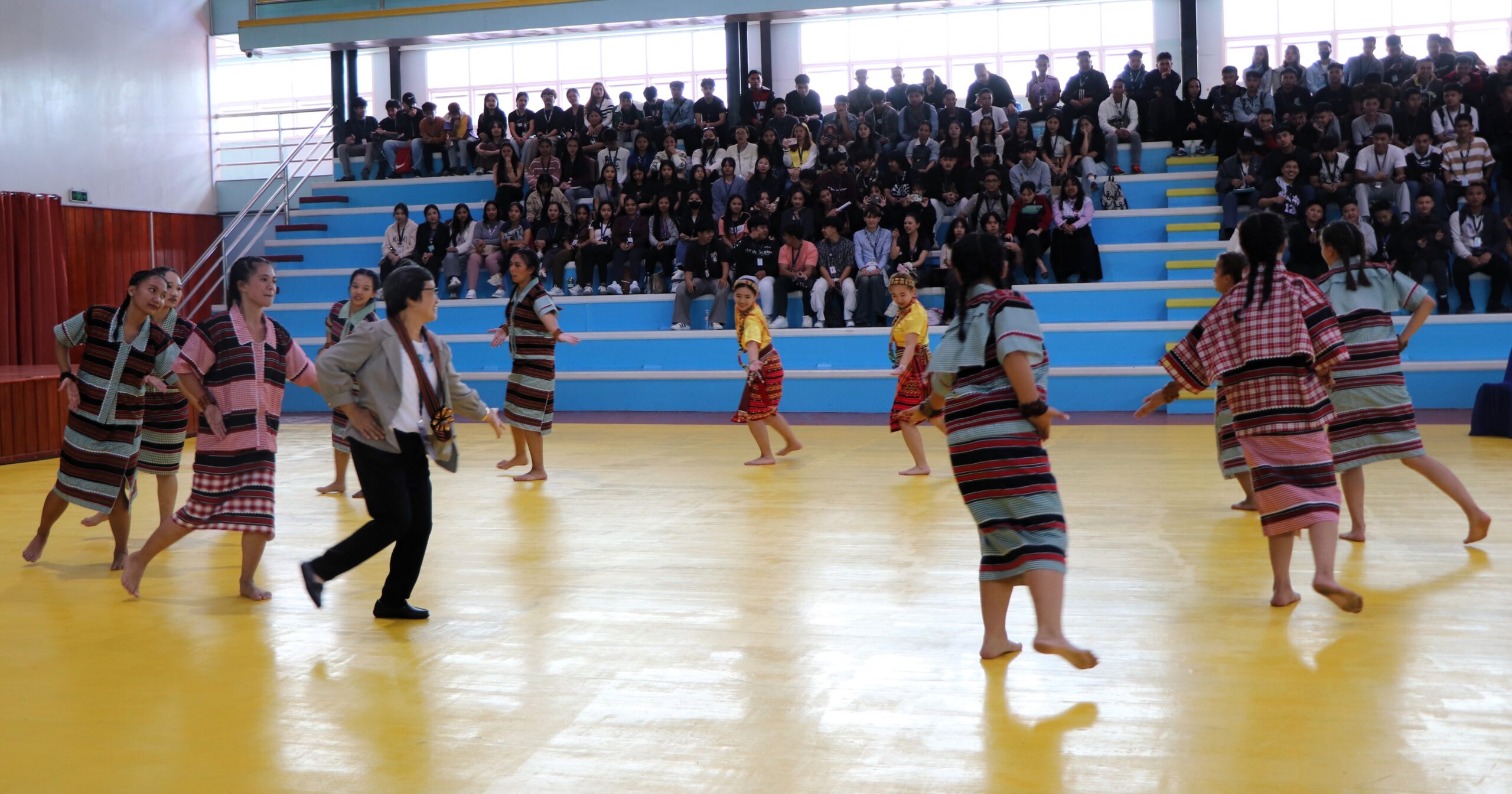
The accreditation period officially began on Monday, October 5, with the arrival and reception of the ACSCU-ACI accrediting team, followed by hotel check-ins and courtesy calls from school leadership, including the KCP President, Executive Vice President, Chief Academic Officer, Deans, and some students. After a welcome lunch, a formal opening program introduced the accreditors to administrative officers, faculty, staff, and student representatives while outlining the mechanics of the visit. The accrediting team then met in the ACSCU Team Room to assign area workloads and begin preliminary exhibit reviews. The afternoon included a preliminary tour of key campus facilities with the Campus Physical Plant and Facilities Head, followed by a welcome dinner and an evening session to verify primary documents and discuss initial findings.
Day 2: Academic Integrity, Office Visits, and Interviews
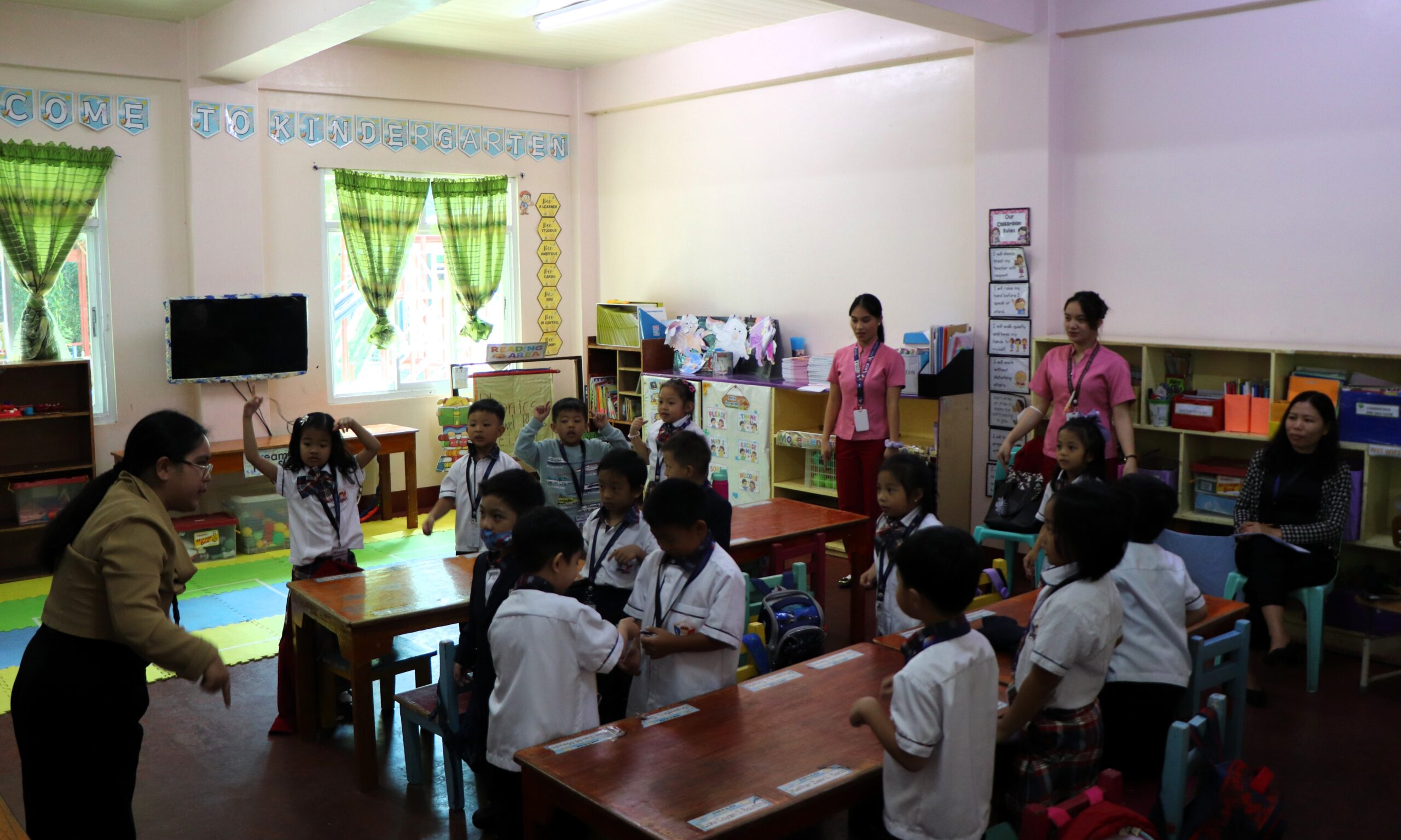
Day 2, Tuesday, October 6, shifted to an intensive evaluation of the institution’s core academic operations, instructional practices, and personnel. The morning focused on classroom observations across selected Basic Education and College classes, allowing the accrediting team to assess teaching strategies, student engagement, classroom management, learning resources, and how instruction aligned with institutional and program objectives. At the same time, evaluators visited administrative and academic offices, reviewed operational documents, records, policies, and supporting exhibits, and verified the implementation of institutional procedures across departments.
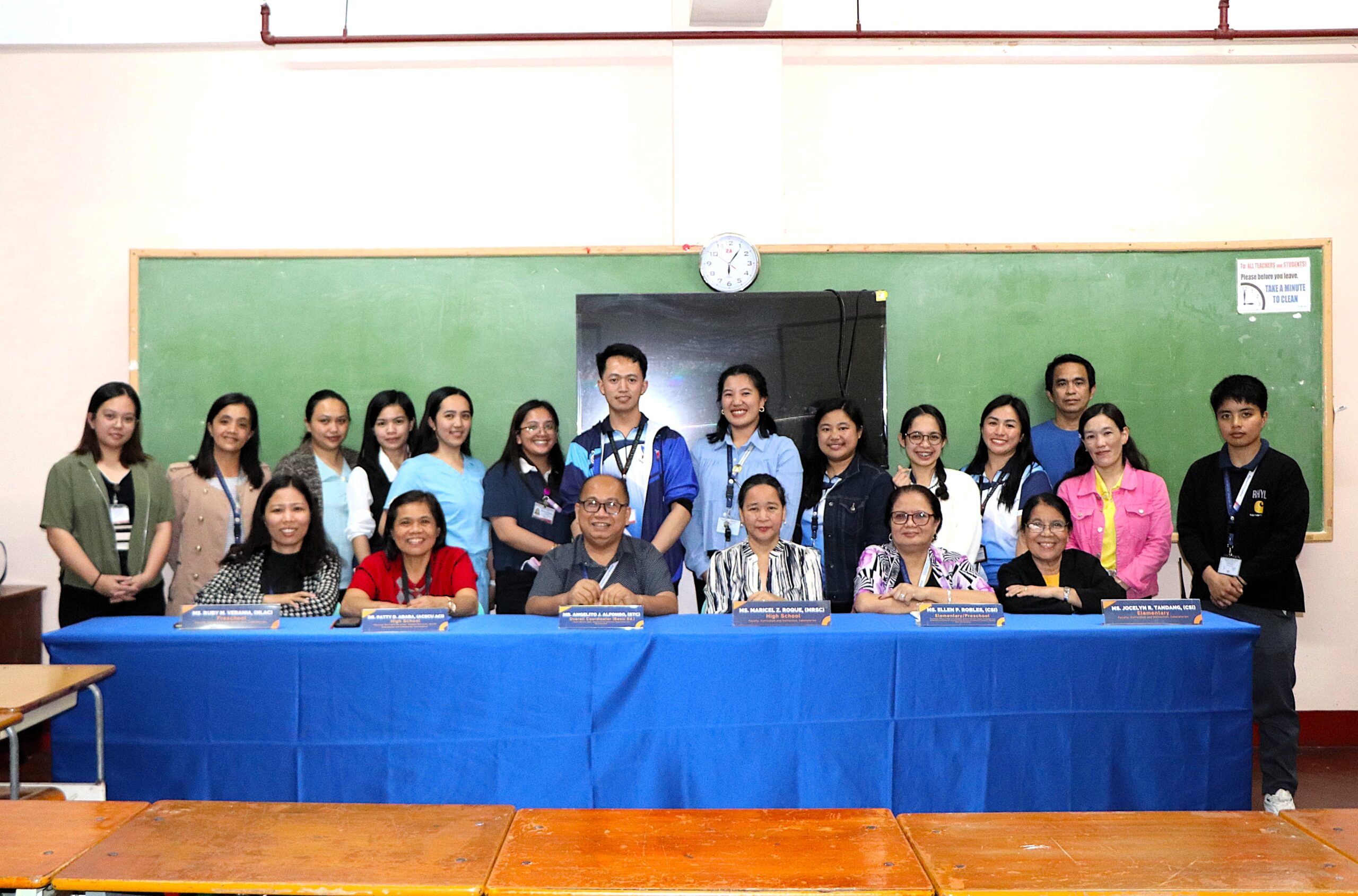
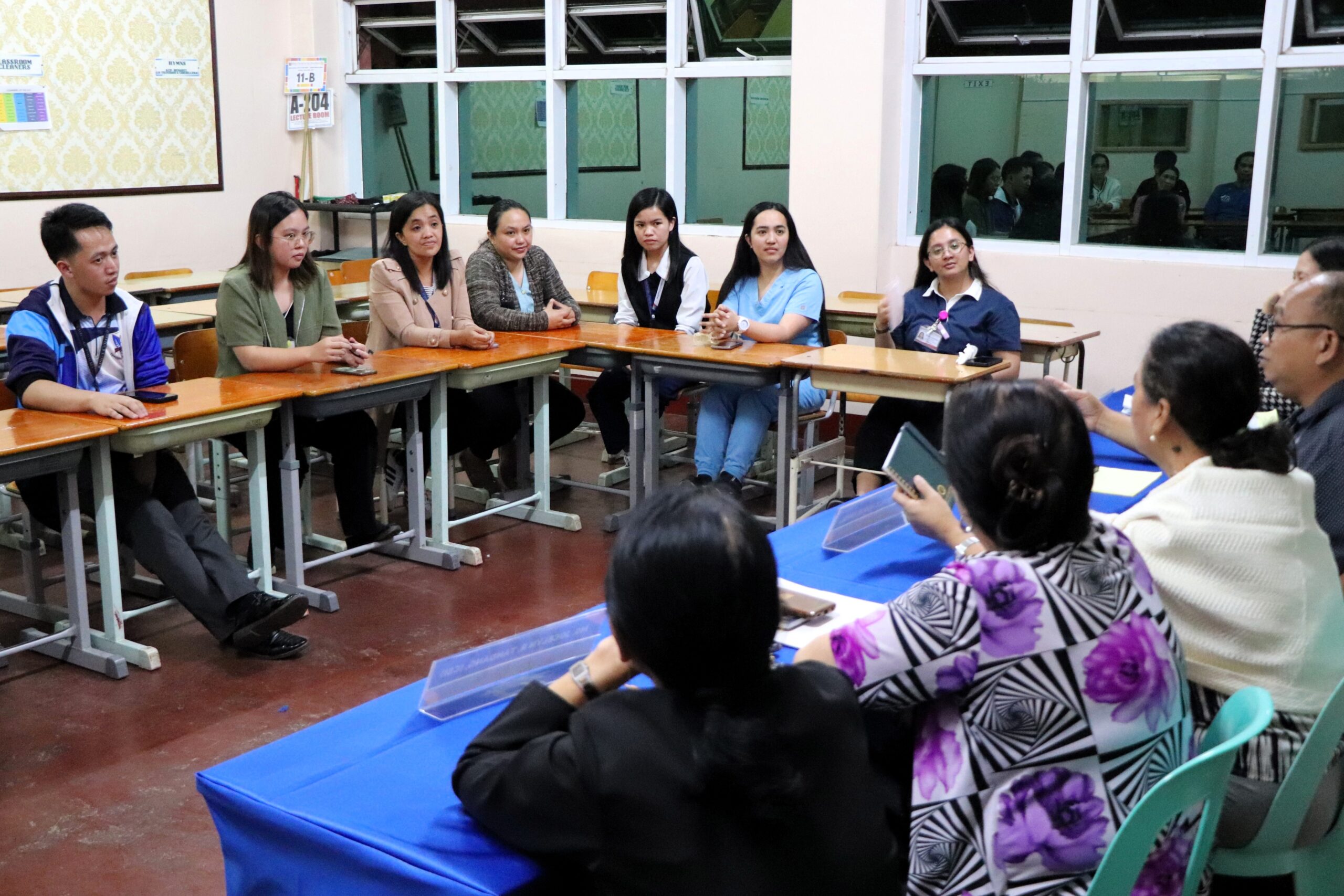
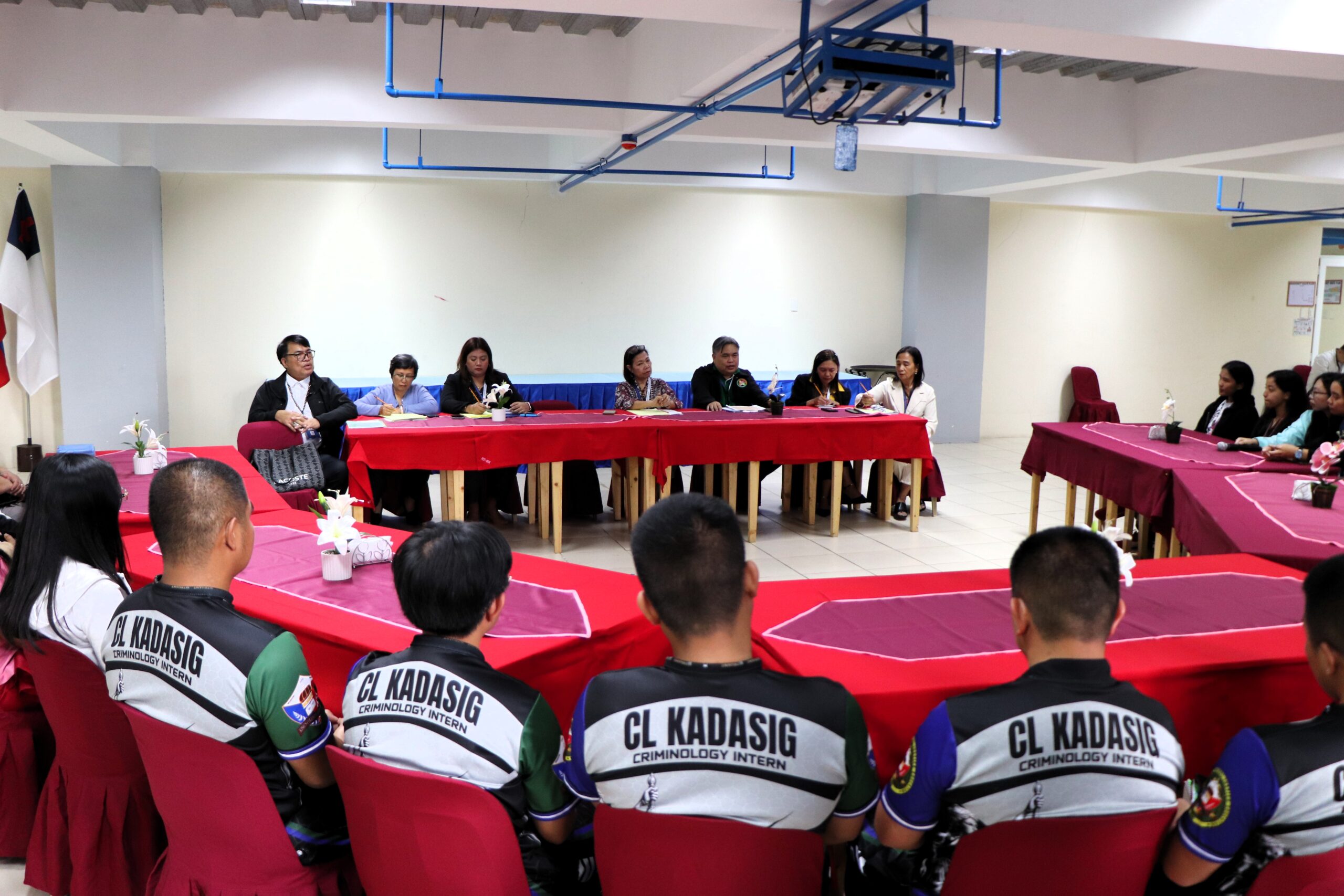
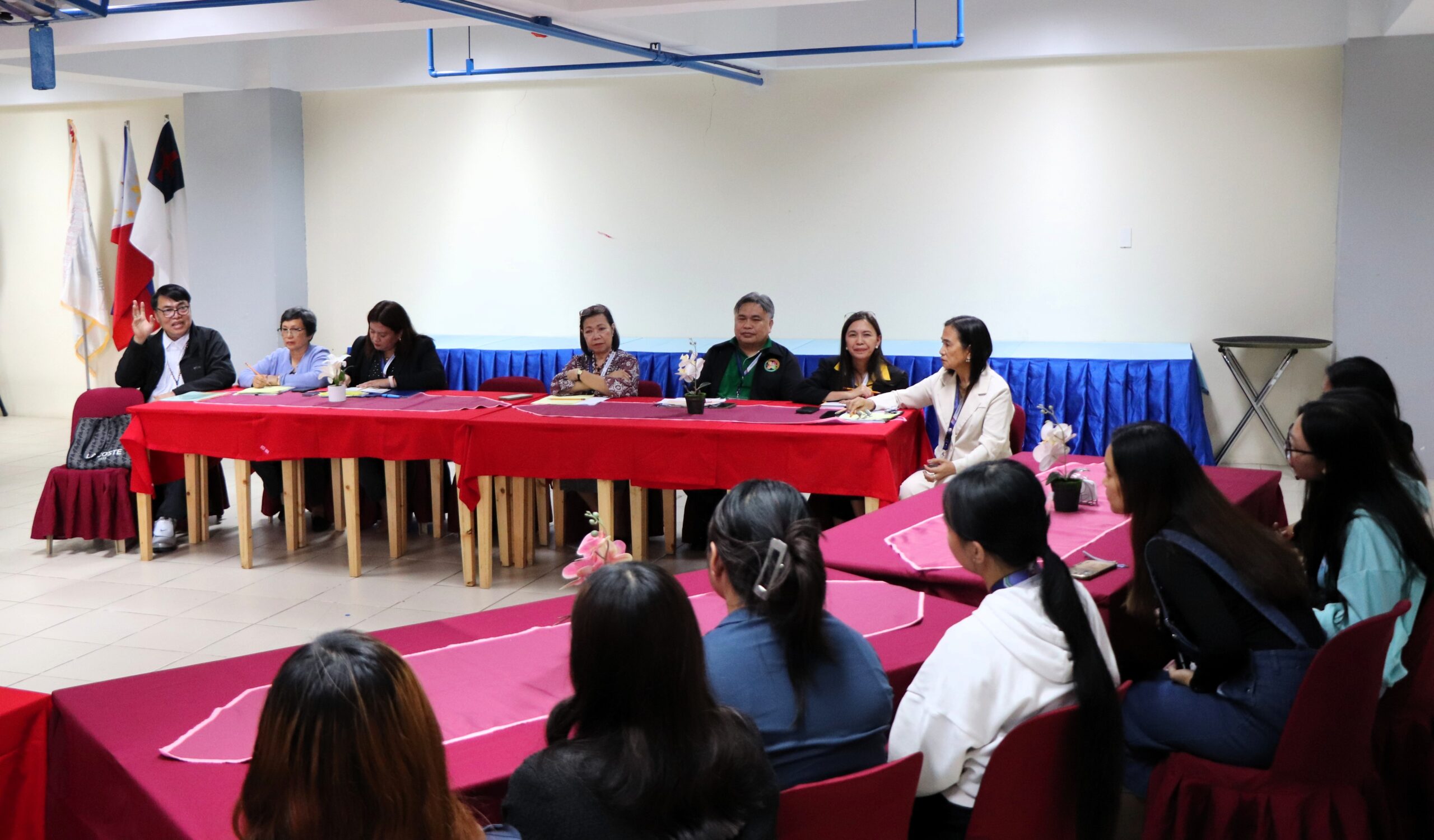
In the afternoon, the accreditors conducted structured, parallel interviews with student representatives and faculty members from both Basic Education and College levels to gather firsthand perspectives on instruction, student support, faculty development, academic policies, communication, and the overall learning experience. Evaluators then resumed classroom monitoring and office audits, cross-checking actual practices against documented procedures, before interviewing non-teaching and support staff to assess administrative efficiency, coordination, workflow, responsiveness, and the adequacy of support systems. Throughout the day, the team gathered and validated evidence through observations, interviews, and document reviews, identifying strengths and areas for further improvement. Day 2 concluded with an evening evaluation meeting where the accrediting team consolidated observations, reviewed exhibits, discussed evidence gathered throughout the day, synthesized preliminary findings, and identified matters requiring further clarification or validation in the succeeding evaluation activities.
Day 3: Key Leadership Dialogues and Stakeholder Engagement
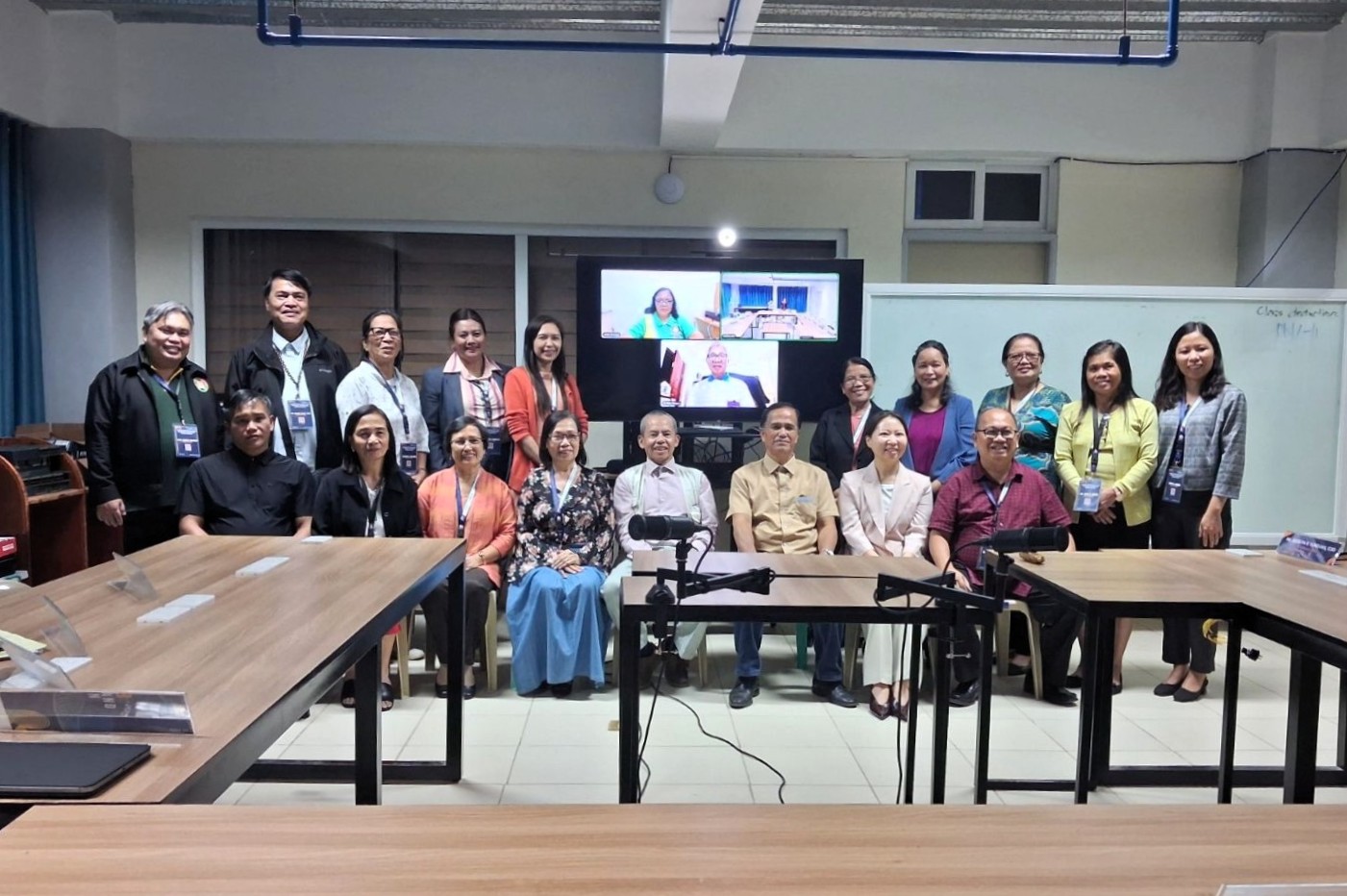
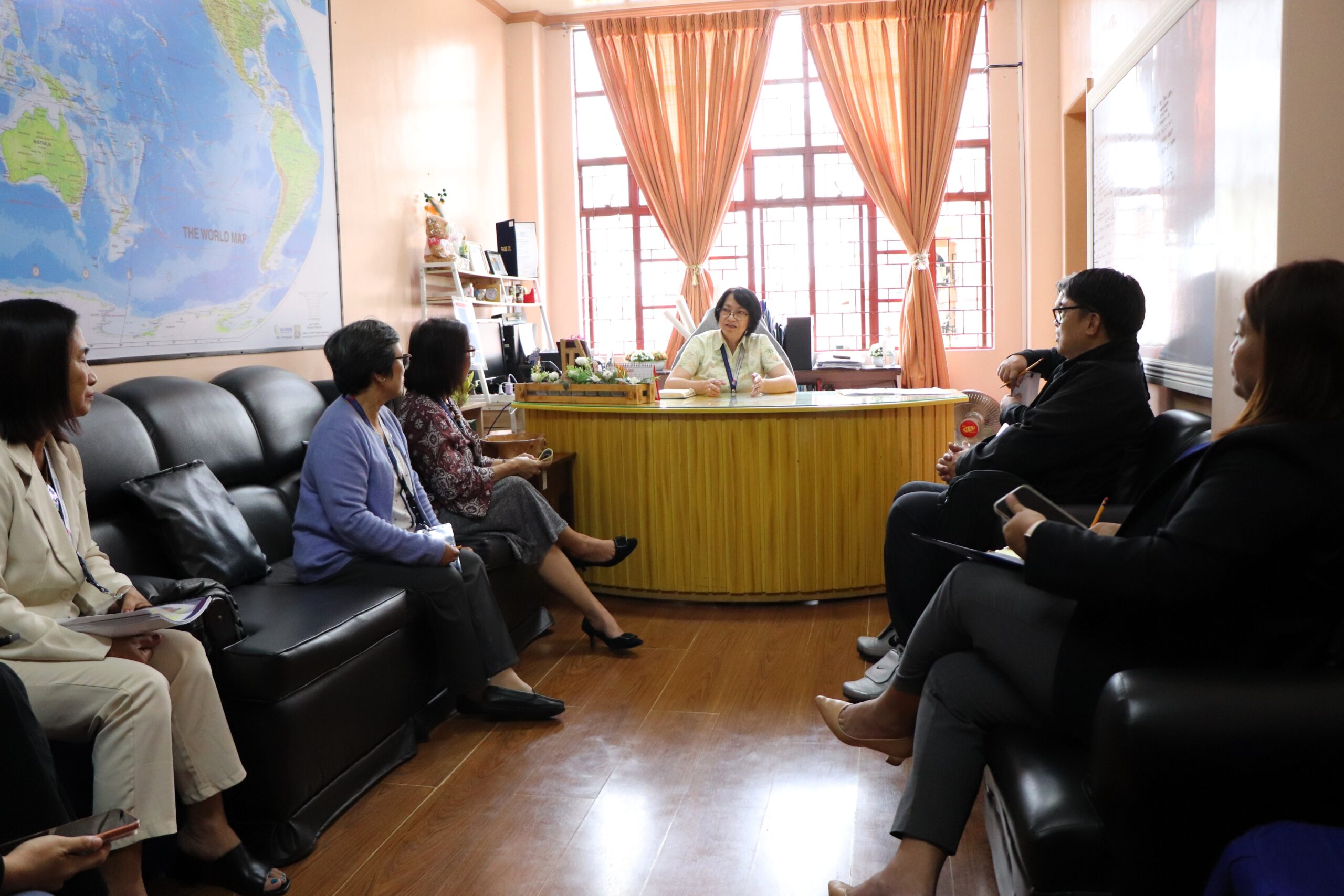
Day 3, Wednesday, October 7, focused heavily on systematic dialogues and evidence validation across all levels of leadership, academic management, external stakeholders, and governing bodies. The morning began with continued classroom observations and final checks of documentary exhibits, allowing the accrediting team to verify remaining evidence and clarify information gathered during the earlier evaluation activities. In the afternoon, evaluators conducted targeted interviews with support department heads to assess the effectiveness of administrative and student support services, followed by meetings with Academic Deans and the Basic Education Principal to review curriculum standards, instructional delivery, faculty qualifications, professional development, and academic planning. The evaluators then interviewed the Vice President, the Chief Academic Officer, and alumni representatives from both Basic Education and Higher Education to gain broader perspectives on institutional leadership, academic quality, graduate preparedness, stakeholder satisfaction, and the institution’s impact on its graduates. The day progressed to executive-level dialogues, including a direct interview with the KCP President and an online meeting with the Board of Trustees, providing the accrediting team with opportunities to examine governance, institutional direction, policy implementation, and strategic priorities. The day concluded with a team discussion in which the evaluators cross-referenced stakeholder responses with official documentation, classroom observations, and other evidence gathered throughout the visit, further consolidating their assessment of the institution’s strengths and areas for improvement.
With the primary document audits and stakeholder interviews substantially completed, KCP moved into Day 4 on Thursday, October 8, with scheduled visits to Community Extension sites, final office inspections and validation activities, and the official Exit Conference in the late afternoon, where the accrediting team would present its preliminary findings and observations to school administrators before concluding the on-site evaluation and departing on Friday.