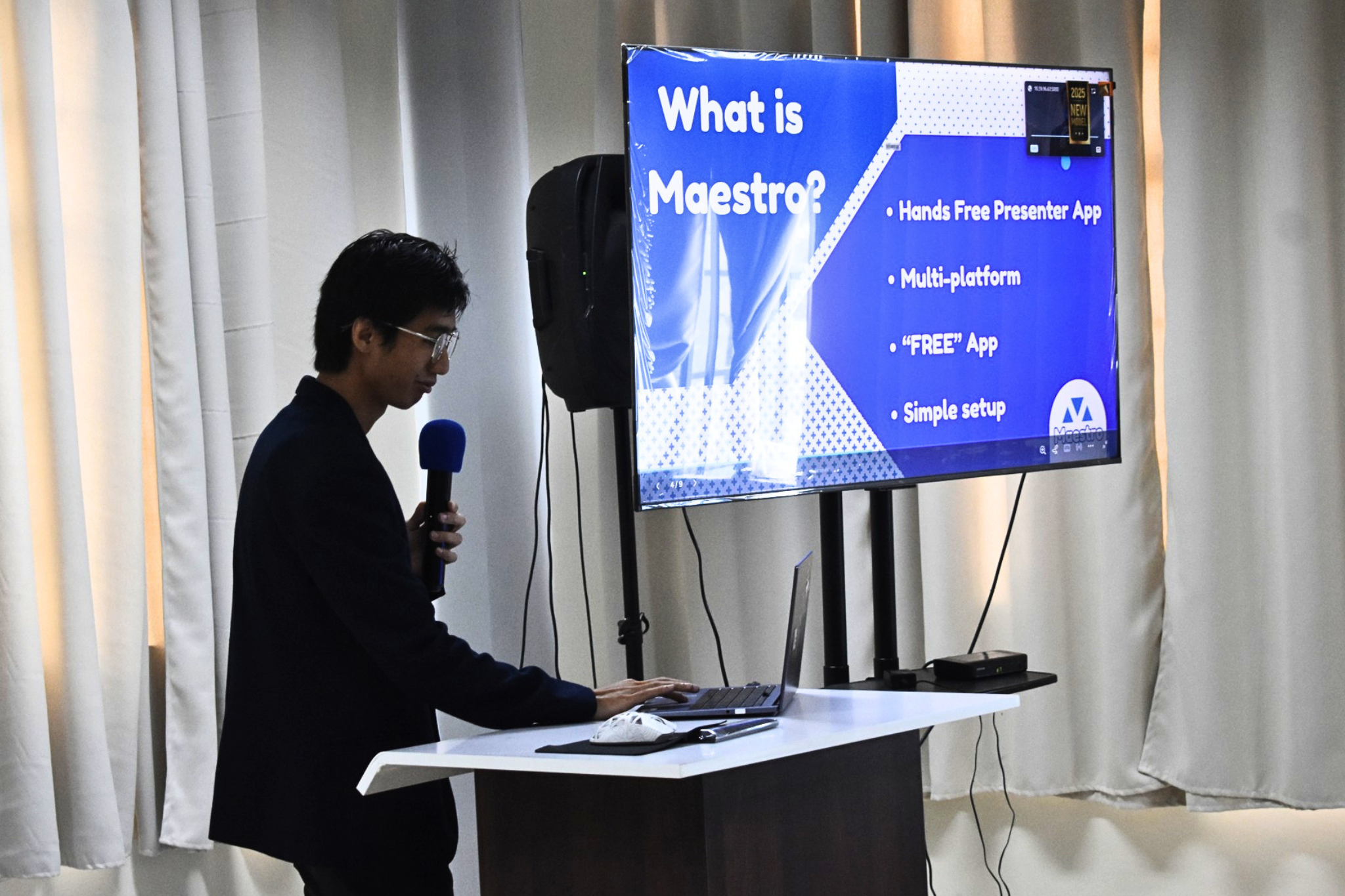
In line with the College of Information Technology’s SPARK Program (Shaping Professionals through Active Research and Knowledge-sharing), the department successfully conducted The SPARK Launchpad: Student Innovation Showcase on April 30, 2026. The event served as a culminating activity for third-year students while also acting as a platform to inspire and prepare lower-year students for future academic and technological endeavors.
The SPARK Program continues to promote a culture of research, collaboration, and innovation-driven learning by encouraging students to transform theoretical knowledge into practical solutions. This vision was clearly demonstrated during the Launchpad, where students presented projects addressing real-world challenges through both software and hardware technologies.
The event featured live presentations and functional demonstrations, evaluated by CIT instructors who served as panelists. Projects were assessed based on innovation, functionality, presentation delivery, and potential real-world impact.
More importantly, the presence of first- and second-year students reinforced the broader purpose of the event, which is to ignite curiosity and motivate the next generation of innovators. By witnessing actual system demonstrations and structured evaluations, they gained valuable insight into the expectations and possibilities that lie ahead in their academic journey.
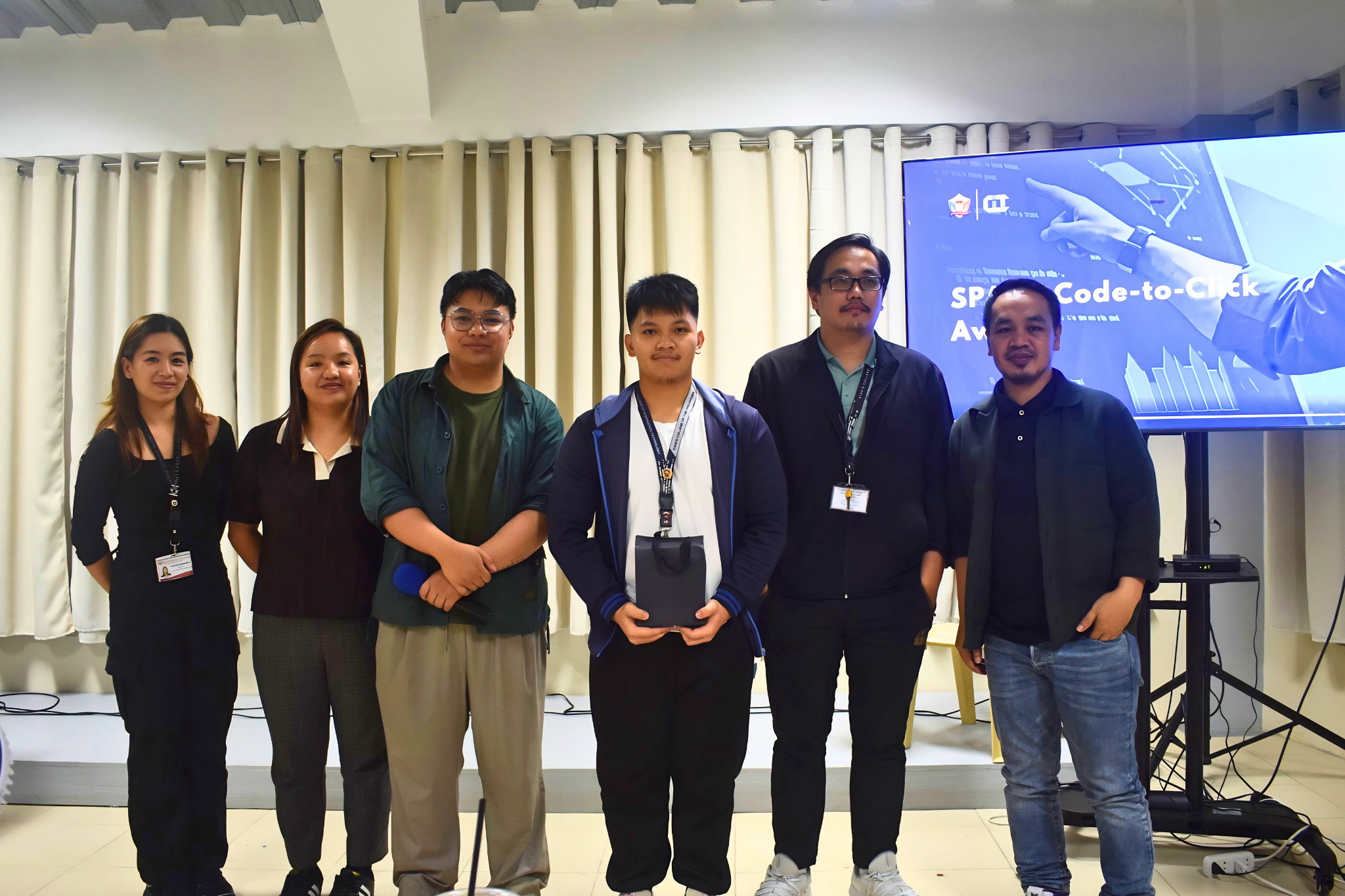
The event was divided into two major segments: the Morning Session for individual presentations and the Afternoon Session for group-based projects. During the Morning Session, students presented individually developed browser extensions, showcasing how web technologies can be extended to create practical, user-centered tools. Each participant introduced a unique browser extension designed to enhance user experience, automate tasks, or provide innovative digital solutions. The session highlighted not only programming skills but also creativity in identifying everyday problems that can be solved through lightweight, accessible applications. This segment can be described as a “battle of browser extensions,” where each student demonstrated both the functionality and usability of their developed tools. The highlight of the session was the awarding of the SPARK Code-to-Click Award and Best Presenter Award, both given to UploadRouter, developed and presented by Allen Ray D. Teligo, recognizing excellence in both technical execution and presentation delivery.
Other participants in the individual category included Allen Rey Teligo, Bhenny Benlor Rivera, Blessed Joshua Bustamante, Daryll Daniel Cirilo, Diane Ancheta, Lorenz Calderon, Lryn Cuyangan, Ronie Fernandez, Sebastian Damugo, and Warren Balubar. While not all participants received awards, each of them demonstrated commendable innovation, creativity, and technical effort, contributing to the overall success and competitiveness of the session.
In the Afternoon Session, students shifted to collaborative innovation through group presentations, focusing on Internet of Things (IoT) systems and integrated solutions. These projects emphasized teamwork, system integration, and the application of sensors, automation, and real-time data processing to solve real-world problems.
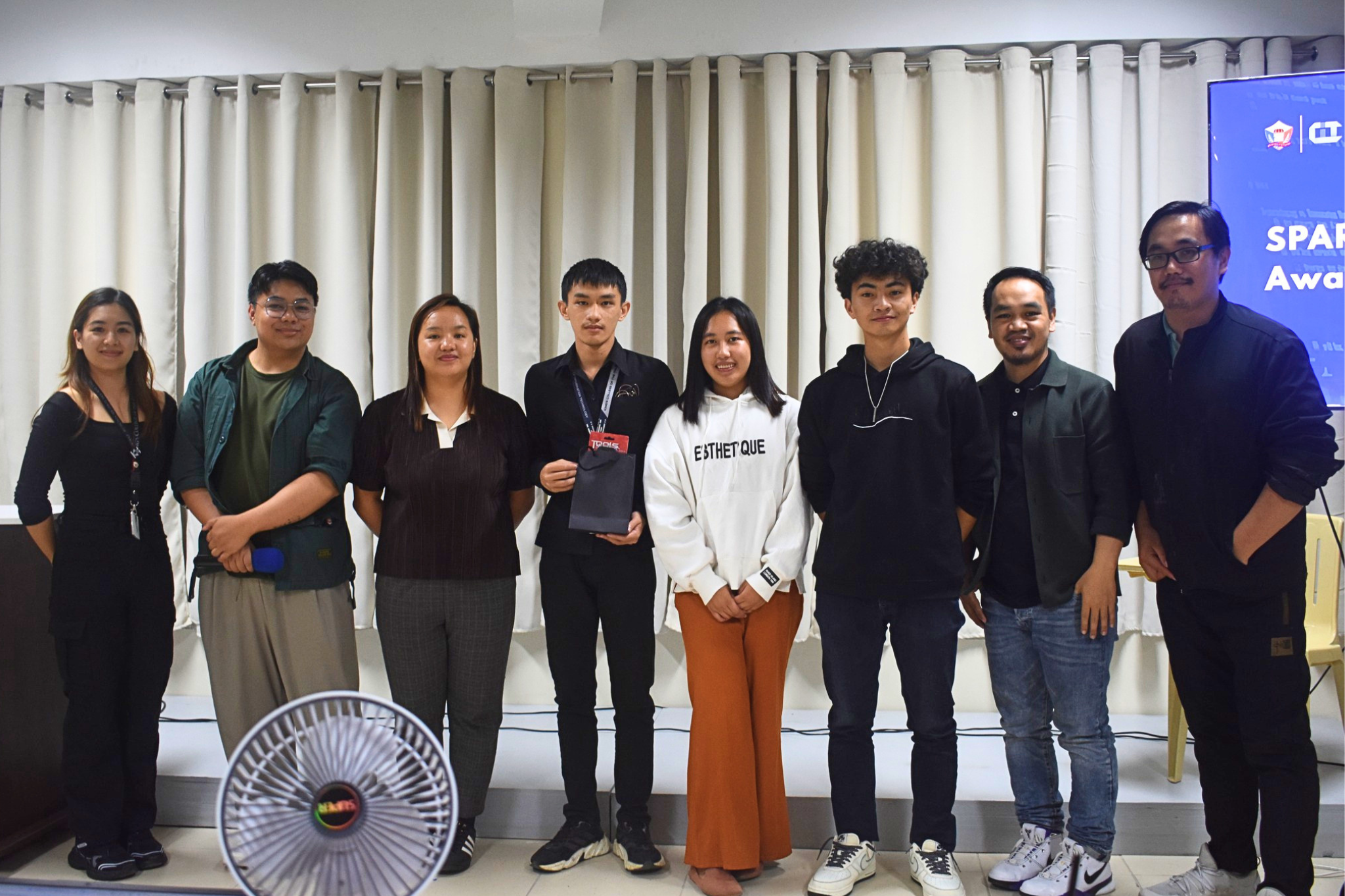
Among the standout projects, Okiro received the SPARK Sensor-to-Solution Award, presented by Ruel T. Lumang-ay, Sean Earl A. Rosalejos, and Lorenz M. Calderon, for its effective use of sensor-driven technology. Meanwhile, SentinelGrid, developed by Sylvester Jay A. Dapdapog, Ronie S. Fernandez, and Joshkane K. Gabol, earned the Best Presenter Award for delivering a clear, engaging, and technically sound presentation. The Impact Catalyst Award was given to Petpal Feeder, created by Molly Grail T. Oras, Bhenny Benlor D. Rivera, and Kenjie S. Sawac, for its strong potential to create meaningful real-world impact.
A wide range of innovative projects were featured throughout the showcase, including Dynamo, EcoCatch, FloraSync, HonestPay, MediAlert, Motoguard, Okiro, Petpal Feeder, Seawave, SentinelGrid, SentinelPi, Smart Helmet, Smart Jacket, Smart Mask, Swimmer Safety, and ThermoHarvester. These projects collectively reflected the diverse ideas and capabilities of CIT students, highlighting their ability to design solutions across areas such as health, safety, environmental sustainability, and smart technologies.
Ultimately, the SPARK Launchpad was more than a platform for presentation. It was a catalyst for inspiration. By bridging academic learning with real-world application, the event successfully reinforced the goals of the SPARK Program: to cultivate innovation, encourage collaboration, and prepare students to become future-ready professionals.
As the event concluded, it not only celebrated the achievements of third-year students but also ignited the potential of lower-year students, ensuring that the spirit of innovation continues to grow, evolve, and spark new ideas in the years to come.