The College of Information Technology (CIT) continues to ignite innovation and collaboration with the launch of CodeKada 2026, a student-led knowledge-sharing initiative designed to equip junior students with practical skills in modern web development technologies. Conducted at the start of the second semester, the program aimed to promote hands-on learning, collaboration, and innovation through guided workshops and project-based activities.
CodeKada, derived from Code + Barkada, was initiated as a platform for peer-to-peer learning, emphasizing the values of Exploration, Collaboration, and Innovation. The initiative focused on enabling students to move beyond theoretical concepts by engaging in real-world development workflows and team-based project execution.
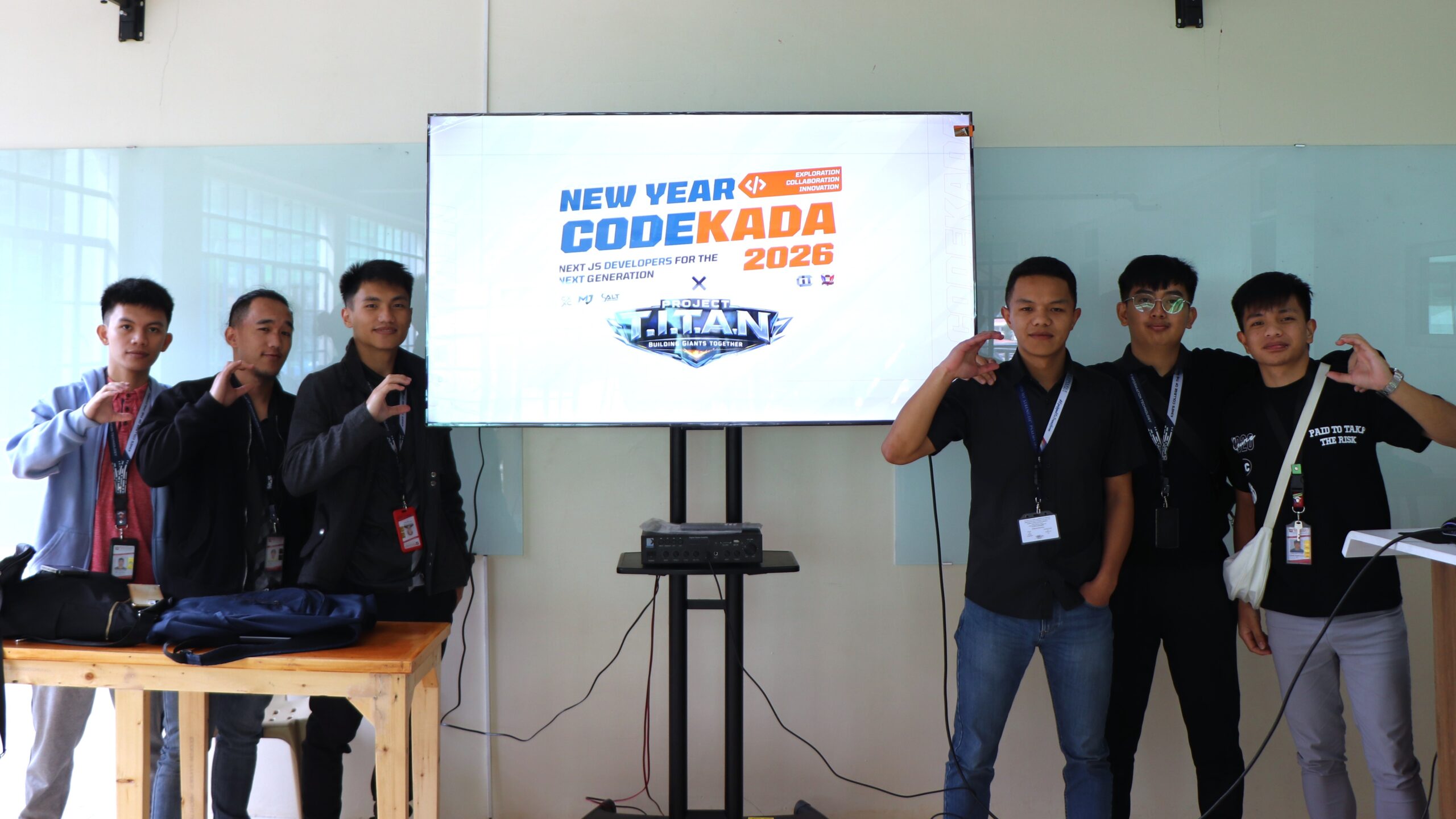
The program was led by Melbert P. Marafo and Mark Janlee D. Corpuz, with facilitation support from Kenneth Y. Polled, Iverson M. Shog-oy, Brein A. Palay-en, and Jerick A. Amiao. The organizers and facilitators were outgoing CIT students who had prior exposure to contemporary development tools and frameworks. Leveraging this experience, they facilitated structured learning sessions for junior students to support skills transfer and mentorship within the department.
Third-year students served as the primary participants of CodeKada 2026. Through guided workshops and team-based activities, participants were introduced to industry-relevant tools and practices, preparing them for future academic projects and innovative endeavors.
CodeKada 2026 was implemented in alignment with the College’s SPARK Program (Shaping Professionals through Active Research and Knowledge-sharing), now on its third year since initiation. Headed by Mr. Ginard Guaki, Dean of the College of Information Technology, the SPARK Program aims to strengthen research, innovation, and collaborative learning within the college. Within this framework, CodeKada functioned as the program’s knowledge-sharing component, reinforcing the culture of peer mentorship and applied learning.
The sessions were conducted over three consecutive Saturdays, providing participants with structured, progressive learning sessions that combined technical instruction, guided practice, and collaborative project development.
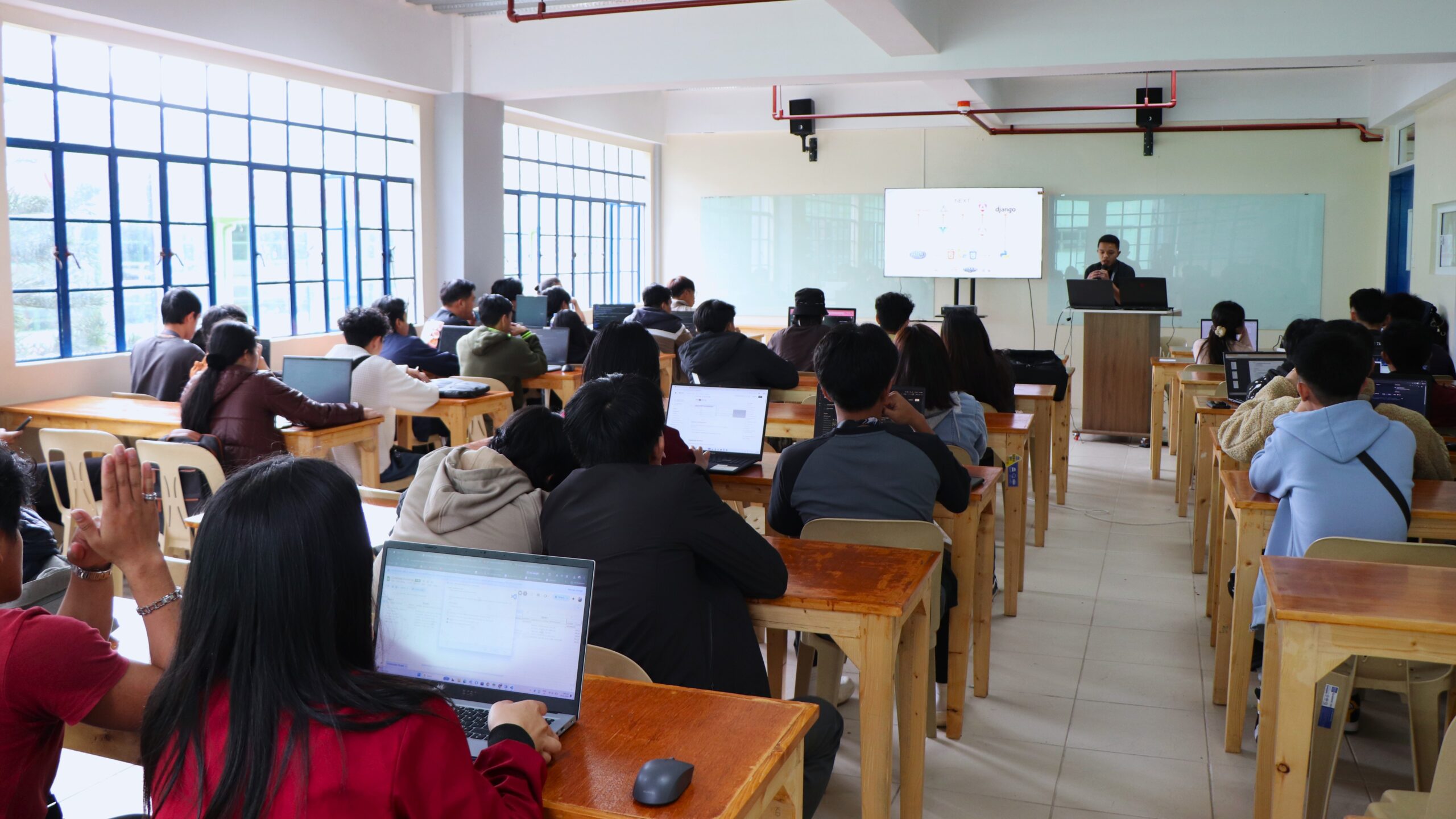
The first session, held on January 24, 2026, focused on Next.js essentials, covering project setup, core concepts, and feature development. Participants were introduced to modern frontend development workflows and best practices. During this session, students were organized into teams and began the initial planning and ideation of their projects. Each team was assigned a facilitator who provided guidance, monitored progress, and offered technical support throughout the development process.
The second session centered on Firebase Essentials, including database integration and application configuration. Participants were also introduced to deployment workflows, with hands-on guidance on deploying applications using Vercel. This session emphasized the importance of backend integration and deployment readiness, allowing teams to further enhance the functionality and accessibility of their projects.
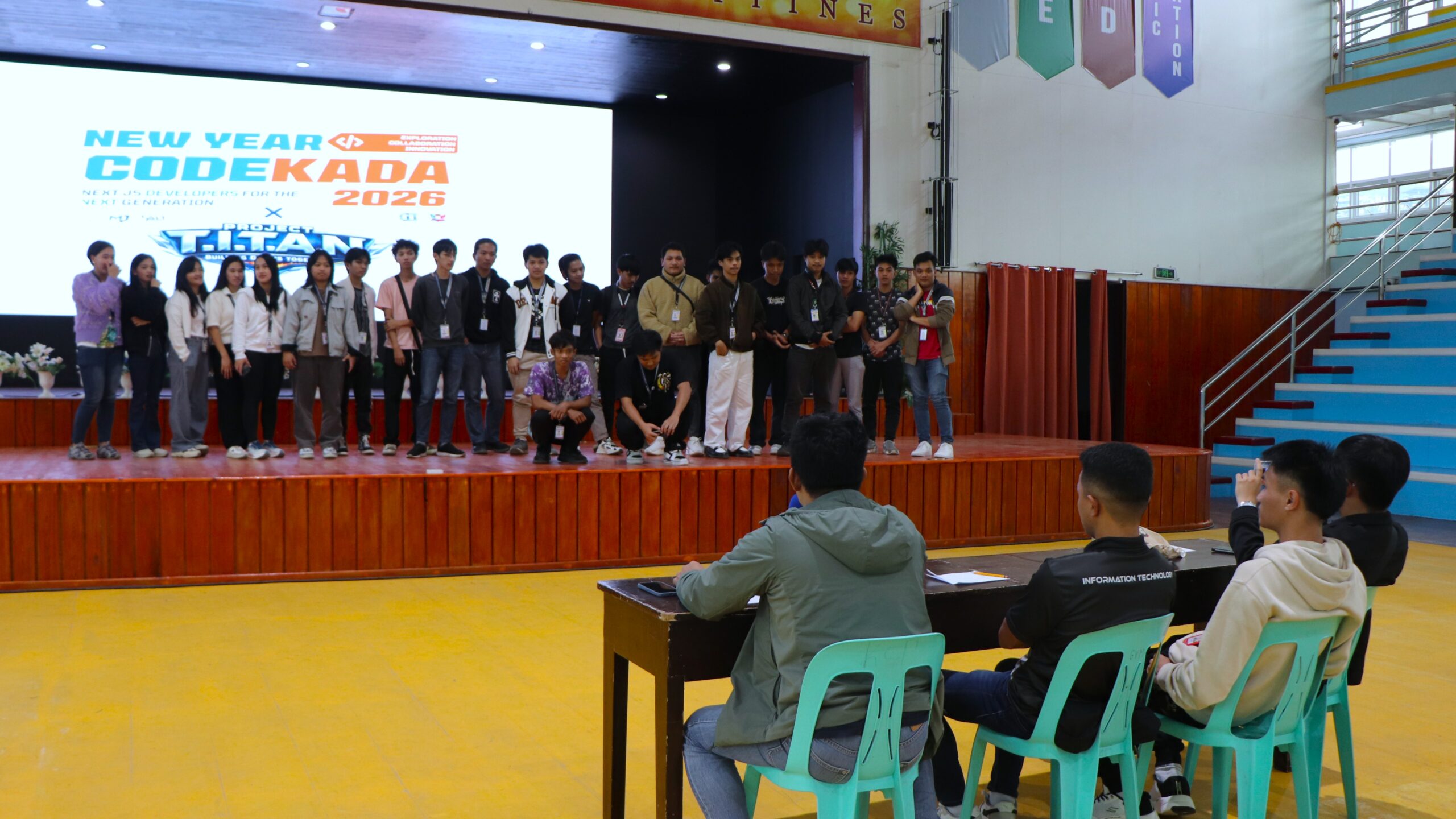
The final session, held on February 7, 2026, served as the Demo Hour, where teams formally presented their completed projects. Each group demonstrated the features, functionality, and objectives of their applications, highlighting the practical application of the technologies covered during the workshops. The session concluded with an awarding and recognition ceremony, acknowledging outstanding outputs in various categories and recognizing the efforts of participating teams.
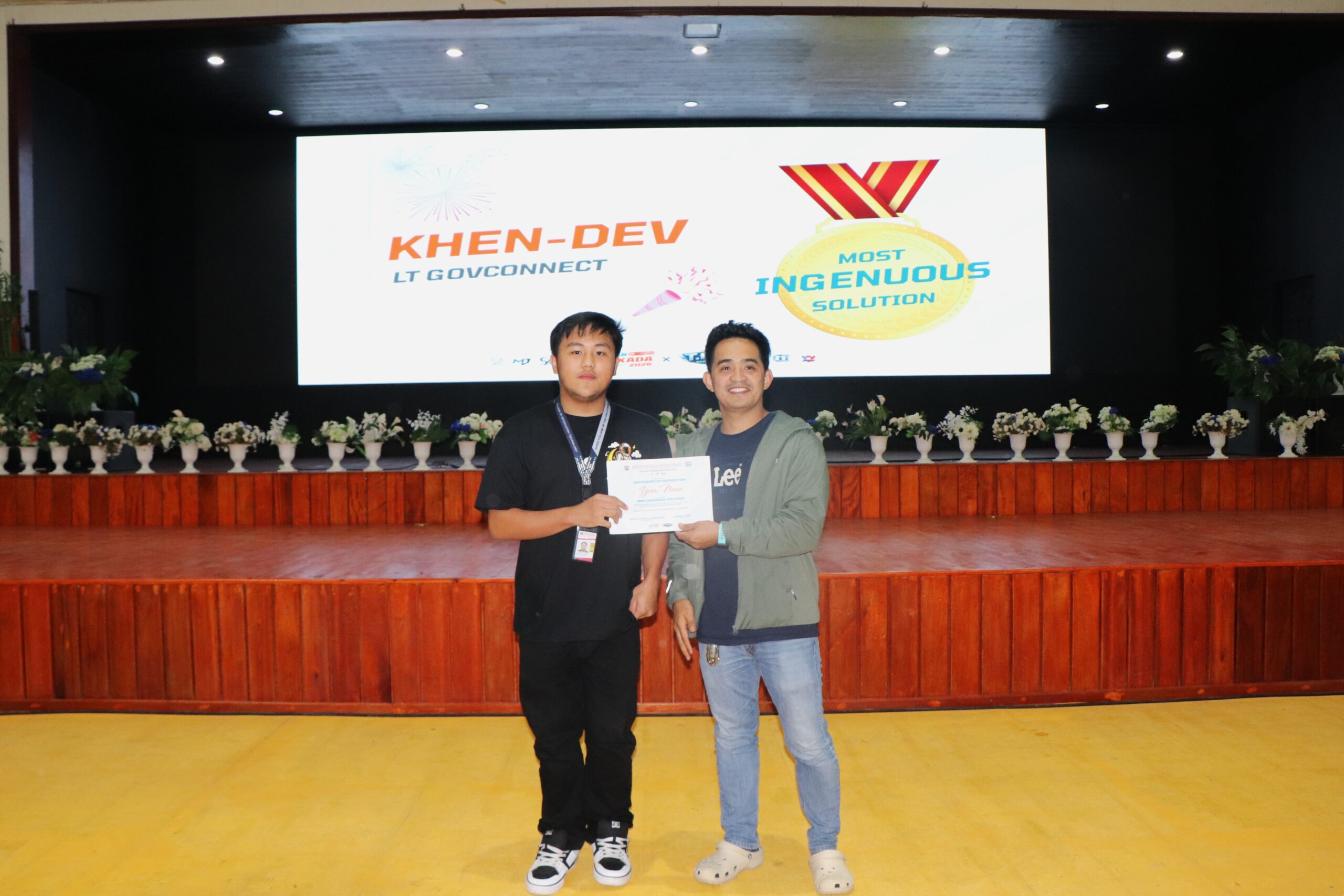
Among the standout achievers was Khennert A. Catayao, who received the Most Ingenious Solution Award for delivering LT GovConnect, an innovative project that showcased strong problem-solving skills and technical creativity.
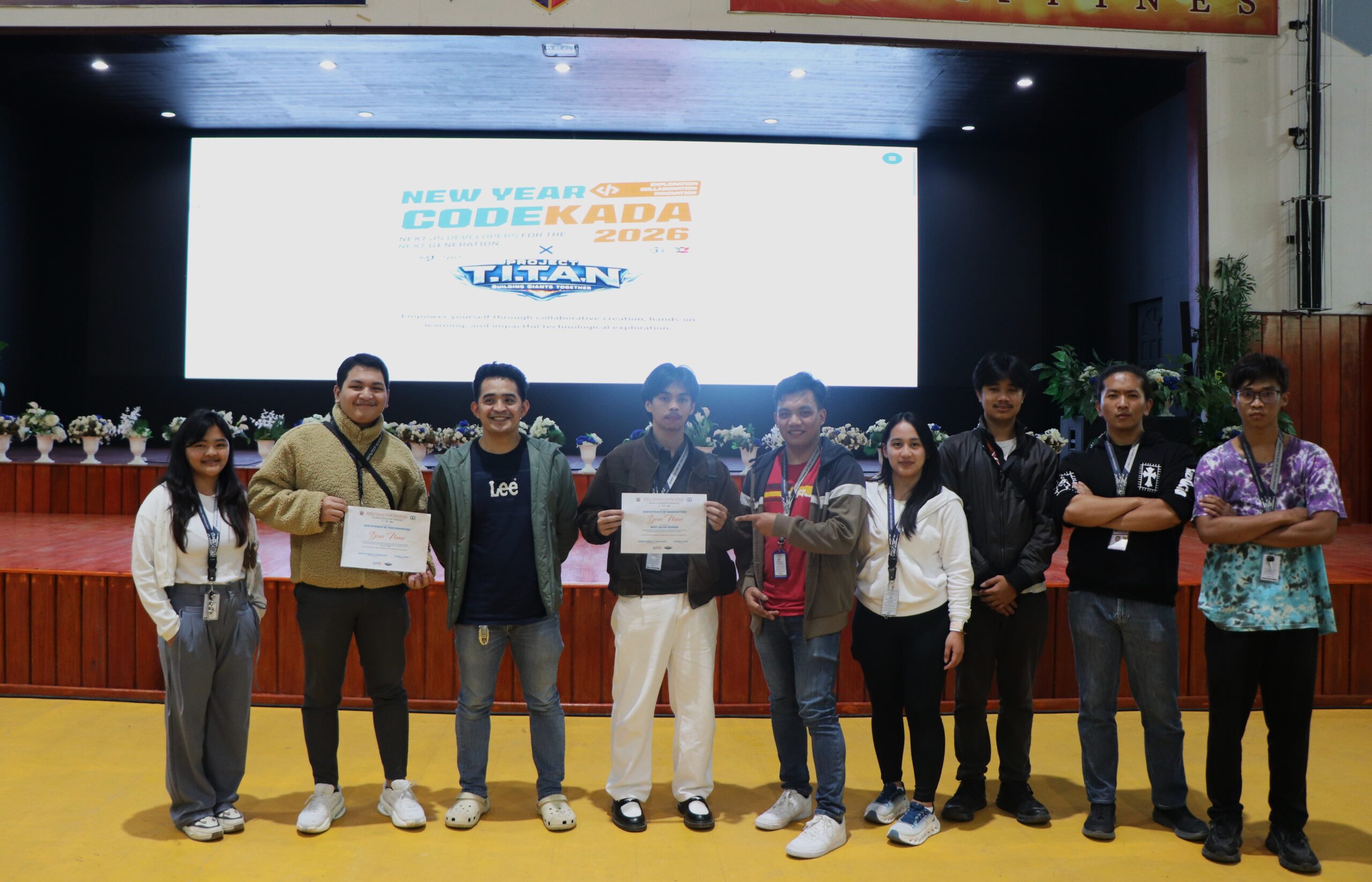
Team Flex Devs won the Best UI/UX Design Award for their project FlexFit, recognized for its intuitive, visually compelling, and user-centered interface. The team, led by Sebastian L. Damugo, included Jemar S. Gullunan, Miller S. Tomin, Justine B. Galut, Sylvester A. Dapdapog, and Yesha A. Takeng.
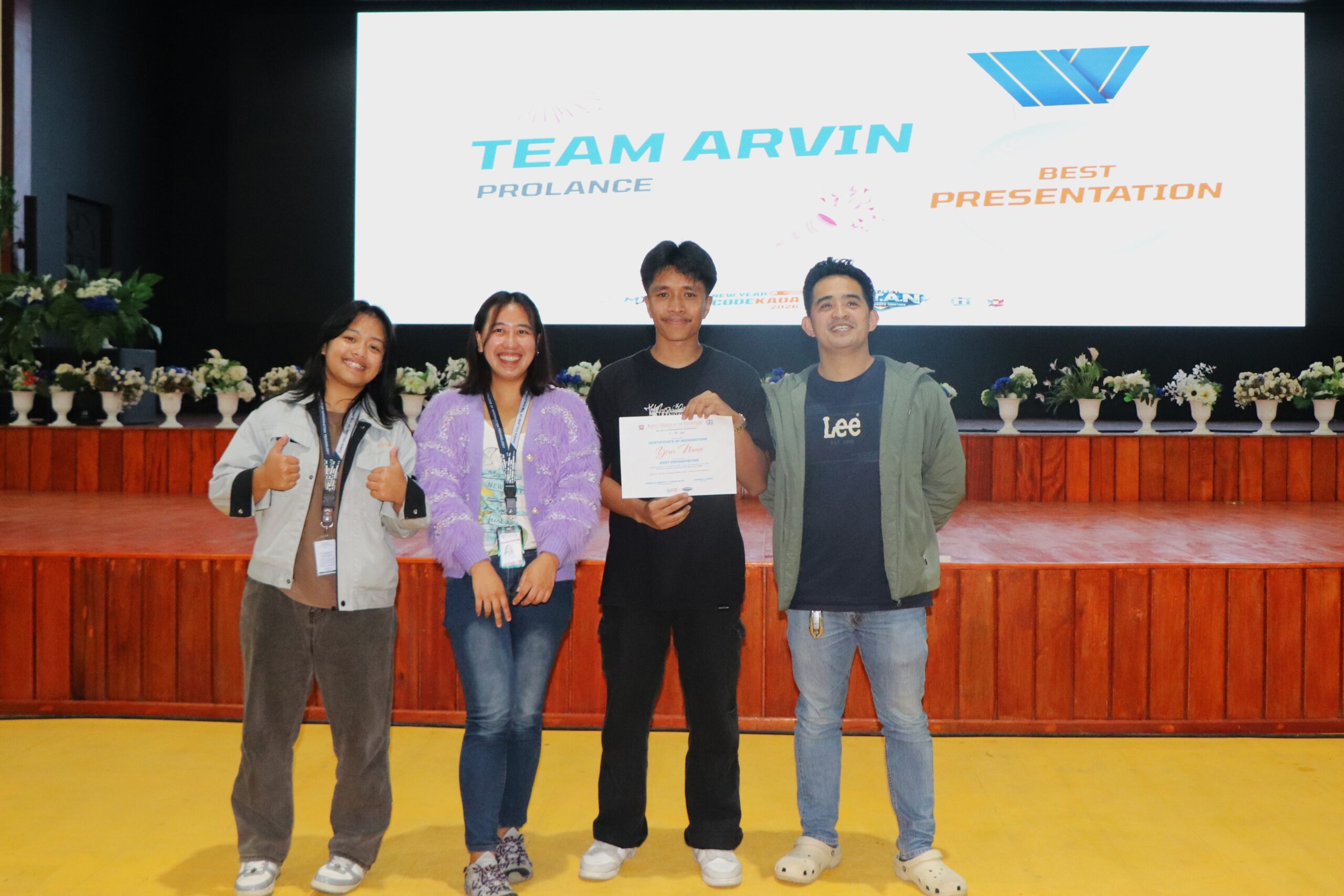
Team Arvin earned the Best Presentation Award for clear communication and compelling delivery of their project ProLance. Led by Blessed Joshua G. Bustamante, the team was composed of Arvin James B. Andaya, Aimery A. Bantas, Molly T. Oras, Diane Kaye D. Ancheta and Jamiell A. Icad.
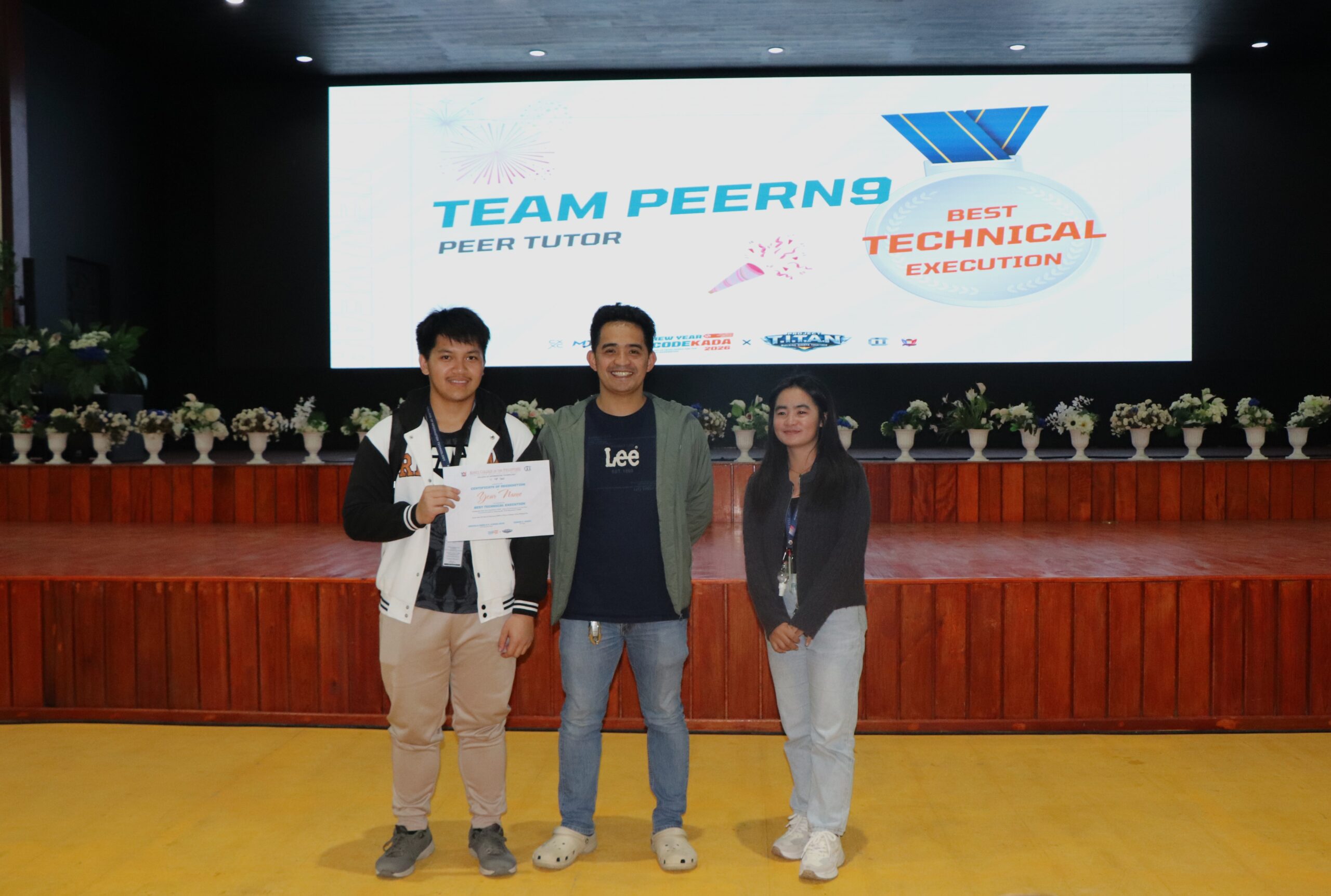
Team PeerN9 received the Best Technical Execution Award for their project Peer-Tutor, praised for solid architecture, clean implementation, and effective use of technologies. The team was led by Allen Ray D. Teligo with member Lryn C. Cuyangan.
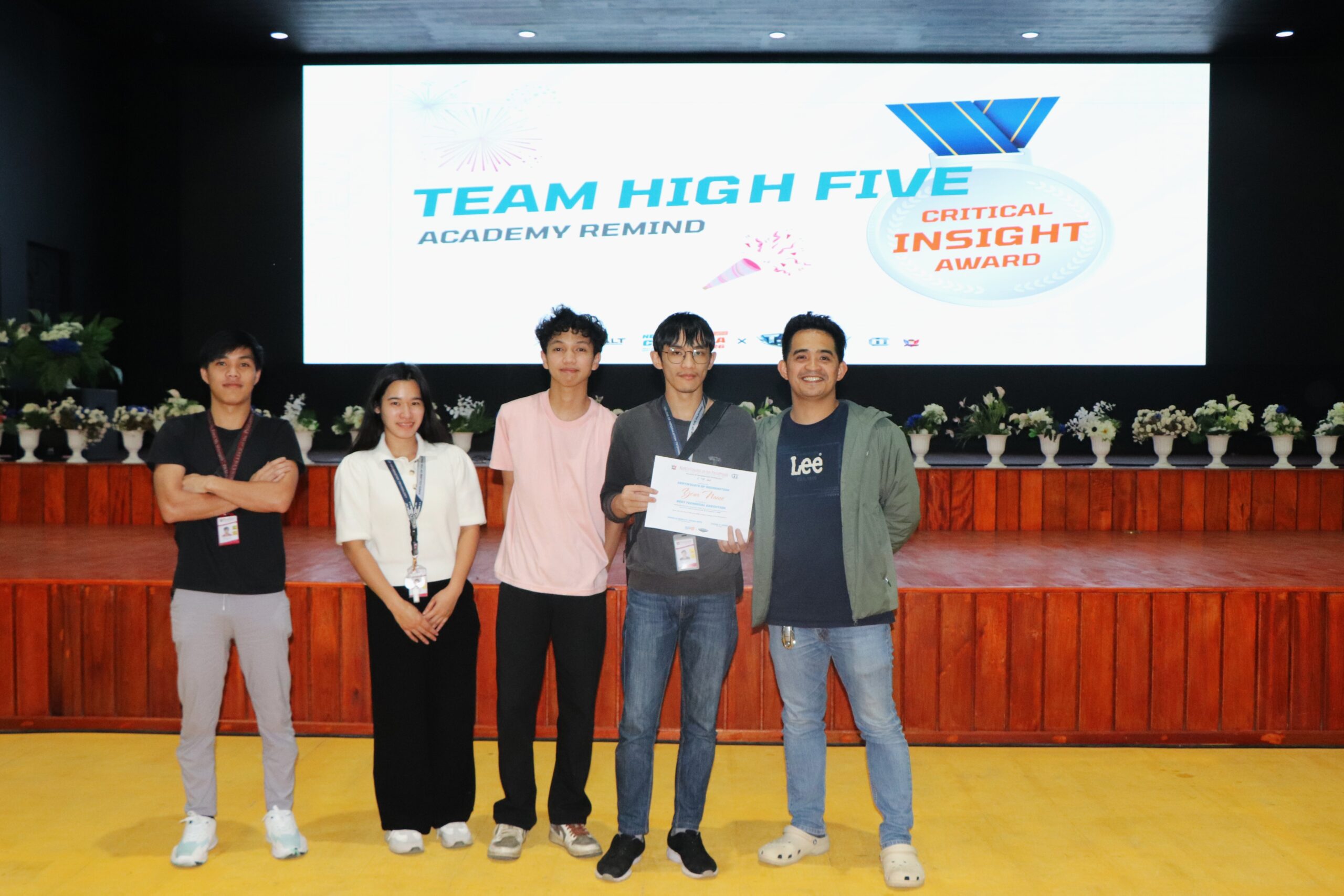
Team High Five earned the Critical Insight Award for strong analytical thinking and meaningful ideation in their project Academy Remind. Led by Kenjie L. Sawac, the team included Josie C. Godoy, Daryll T. Cirilo, Joven G. Aquisan, and Rhode B. Bala-oy.
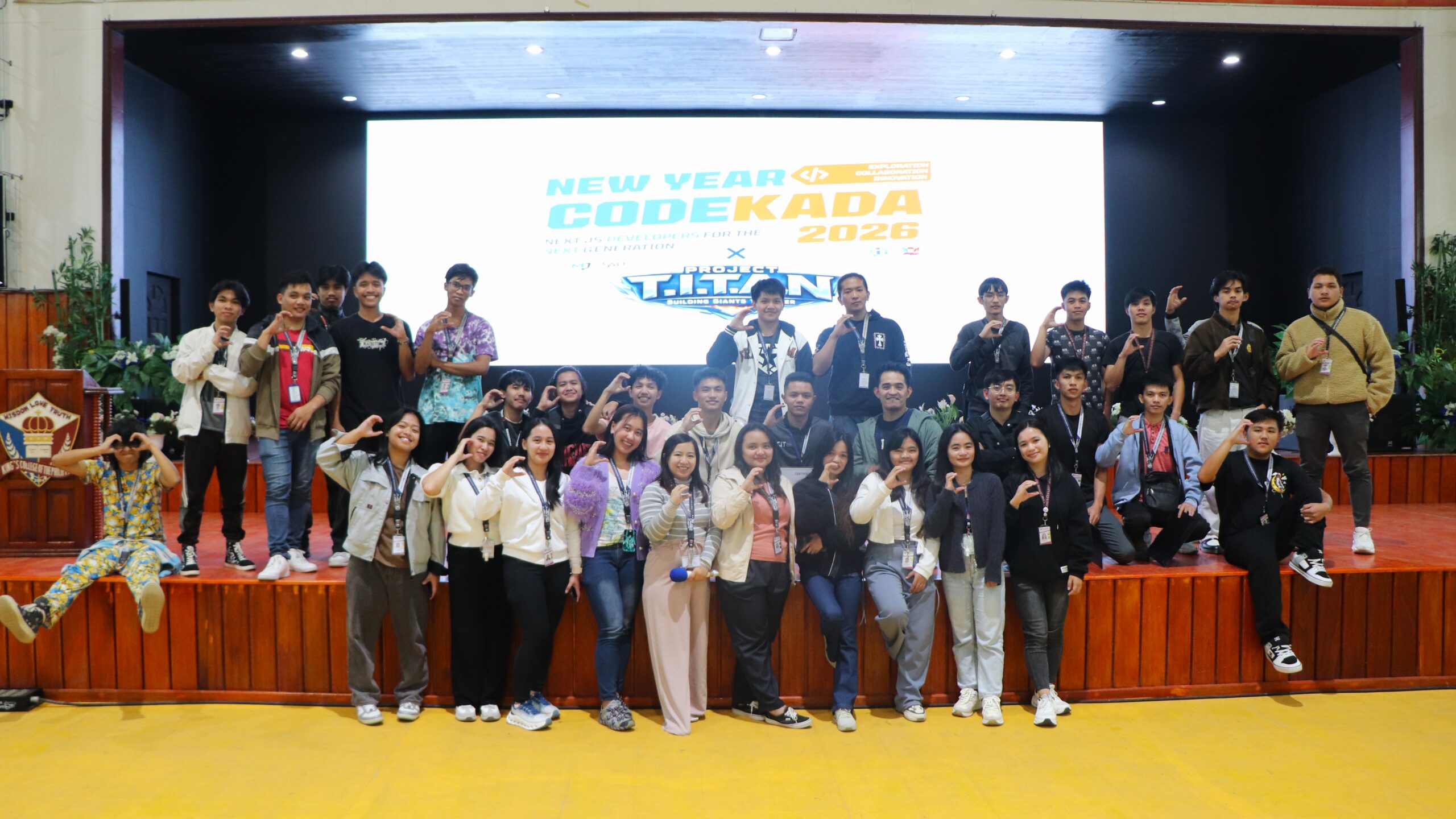
Overall, CodeKada 2026 was successful in equipping participating students with relevant technical skills while fostering the values of exploration, collaboration, and innovation. The initiative effectively fulfilled its role as the knowledge-sharing component of the CIT’s SPARK Program, reinforcing a culture of peer mentorship and continuous learning within the college.
As the program concludes, CodeKada affirms the CIT’s commitment to developing competent, industry-aware, and collaborative future professionals. The initiative further promotes the advocacy for continued student-led knowledge-sharing activities that support academic growth and professional readiness across year levels.